Becoming an observer

It sometimes feels as if everything is simply flowing by.

There are lots of small distractive things to deal with, and they pretty much keep me away from doing something more meaningful.

Then, there is a feeling of pointlessness.

At a young age we are under impression that we have enough time to do whatever we will choose, to achieve whatever we have decided to and to engage in all kinds of undertakings that eventually lead us to the goal: a good, honest, happy and abundant life. This includes different things for different people. Some want children and some do not, some love studying and some would rather not, some of us see the importance of roots and family and some believe that family is holding them back.

When I was twenty, it felt like 60 years is eternity away: it seemed I have plenty of time to enjoy, to explore, to pursue real life goals and to correct mistakes which everybody makes.

My life involves much unexpected turns, very bad accident that changed everything 25 years ago and after that all a completely unexpected relocation across the ocean. I might not been ready for that. However, I am somebody who goes for an adventure or opportunity if there is one.

Years between 2004 and 2010 were wonderful, so full with life, so full with discoveries. I had huge expectations.

When I got health issues in 2013, lots of things slowed down and became hard to continue. I realized suddenly that nobody can ever regain the energy and the willingness to jump onto new beginnings we do so naturally at 20 when we pass the 50 line. That was the time when I had to push myself extremely hard to accomplish just simple everyday routine tasks, yet, I managed that.

I have become more an observer than an active participant.

I have always been a creator of situations, much engaged in the social scene. I was a high school teacher and college lecturer meeting literally hundreds of people every day. I loved my role as a smart, intelligent and well-educated person.

The one thing that matters to me is learning, studying and keeping the brain extremely busy and active.

I have always admired the brain power, the ability to think and find solutions, to make decisions and to act upon them. I do that still, I learn every single day. The medical writing job requires that. I am certainly thankful for the huge knowledge in any health-related matters due to this.

However, I miss the social engagement. I feel lost. Once you see that nobody actually needs you, you start to experience feelings of being abandoned. It seems that the big goals are also getting crashed. I have become a stranger in my native country and I am still a total stranger in the country to which I immigrated to.

This might be an issue of acceptance. I am quite frequently unable to accept some things here. I will never understand how mediocrity gets to the top because of their wealth. I will never understand how it is possible to idolize and adore some fancy person to the extent that people want to dress like that person and look and speak like that person.

I will never understand over-consumption which is the cause of most of our issues. I will never understand how people are lied to and cheated because of somebody making bigger profits. They get even praise for poisoning other people. That is awkward.

I am for fairness, truth and open-mindedness. Truth is not loved. Truth is frequently escaped using different means, would these be drugs, alcohol or convincing oneself that everything is great while it is far from that in reality.

I used to be a fashionista. I learned sewing very early: at 12. Ever since, I have designed and sewn plenty of designer-quality outfits not only for me, but for hundreds of other people, as well. I stopped doing that also because of pointlessness. How much does one really need? When I paint, I cannot wear anything good because it will have paint spots all over anyway. Fast fashion made it impossible to buy any good quality shoes or jeans or similar things. I just simply refuse to buy more low quality, made in China outfits. They are made of bad materials, they do not last and they do not fit either.

One more aspect became meaningless. So, most of them have.

It is more difficult to stick to the true you when there is no actual demand for being the top you. I am currently an observer. I will wait for a while yet until the troubles settle down to figure out the next steps. Where do I go from there? I don’t know yet. It is a process of re-inventing me. Will that be a better me? I do not know that either.

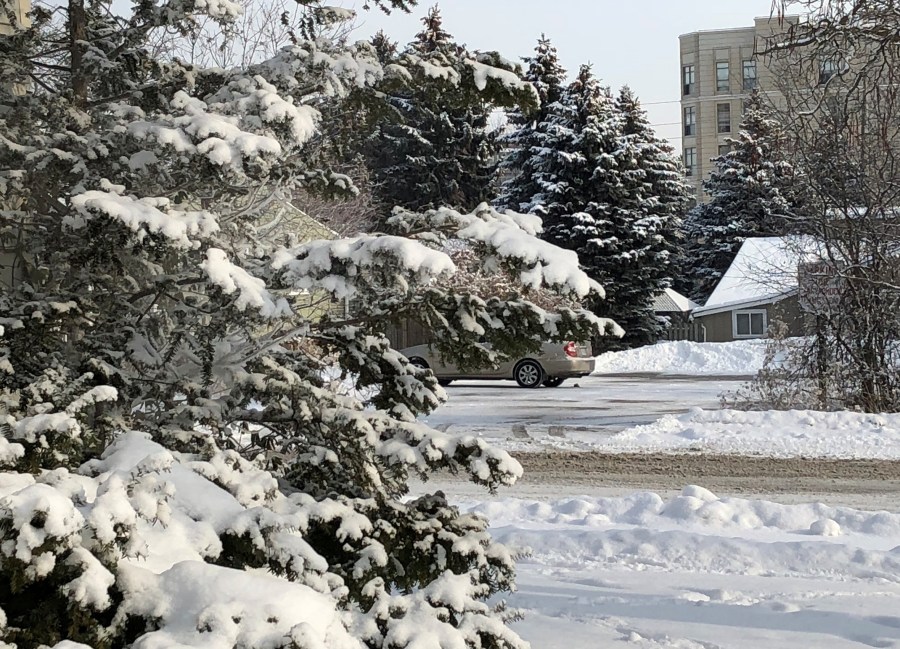
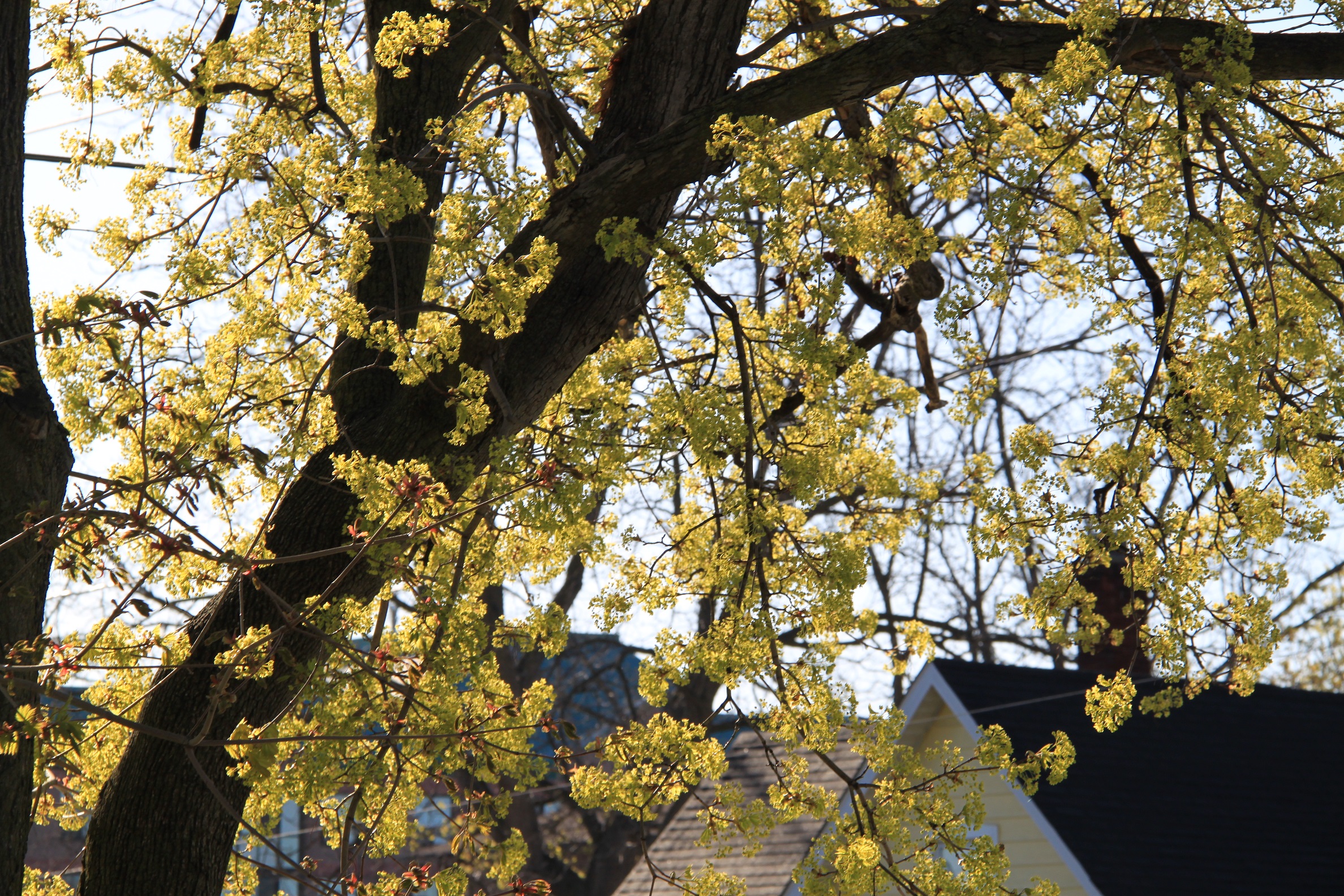
I do realize that these feelings might be caused by late and delayed spring. It has been a very long winter, and that can affect anybody with the seasonal affective disorder. I remember me hating winter ever since I was a tiny kid. That never went away. I cannot live normally in winter. I have lost many years of life due to winter. I believe these of you who also experience strong seasonal affective disorder know this very well: one only regains energy and willingness to be active once the weather turns warm and sunny again.

International Woman’s Day: history gets revised

Since the International Woman’s Day March 8, resonates with Me too and Time’s up movements in North America recently, this day has become more visible and more important by now.

It wasn’t actually this way before. I have been writing March 8 articles every year, and they quite often didn’t get much response. I believe it is because the day as such did not feel very important for many women or they associated it only with socialism and political movements, thus, it wasn’t widely popular.

While general articles mention North American and British suffragist movements as origin of this day, it is not entirely true. It is quite visible that the contribution of women fighters for female equality, such as Clara Zetkin, Inessa Armand, Alexandra Kollontai, the first soviet woman ambassador, and Nadezhda Krupskaya, Soviet Union’s Deputy Minister of Education and women’s rights advocate has actually not been acknowledged globally. I would think it is because they were all socialists, to some extent representing communism, and it is assumed that nothing good came out of all this movement and their personal fights. They actually addressed issues such as sexuality, abortion, marriage, divorce, morality, sexual relations between genders, family relationships, motherhood and role of mother, getting rid of male dominance in any area of life and physical abuse about 100 years ago in Russia and Western Europe at a time when nobody dared even to speak out about these issues. One has to remember that the state of education wasn’t really the same what it is right now, in 2018. Only the richest women would be able to obtain good education and it was rare they would have important political and executive positions, hence woman’s role was mostly understood as the one of a family member and mother.

The United Nations began celebrating International Woman’s Day on March 8 only in 1975.

This day was celebrated always in former Soviet Union as far as I can remember, and I am 60 this year. To me and many soviet era women from former soviet republics this day felt as one of the most wonderful days in the entire year. White and pink tulips, bright yellow daffodils and mimosa, as well as any early spring flowers were given to every woman. It was always celebration of a woman. This tradition continues in the independent Republic of Latvia, and it still goes very strongly.

What are the achievements due to the highly recognized role of a woman during the soviet and post-soviet era? There are actually many, although, we do not want to admit that. First of all, it was free education for everybody from the nursery school to the University. I had only excellent grades also while studying at the University, so, the government actually paid me monthly which was a huge financial aid. That means that the higher education was not only free, but also promoted in any possible way. The female dominance in higher education was absurd. I was studying foreign languages, and among students of many departments there were just very few male students with about 90% being female. This sounds crazy, and so it was. Male students would be choosing the Technical University and similar establishments, but still at a much lesser rate.

The aspect that was definitely promoted was female participation, equality and recognition of female achievements. It went way beyond that.

The period after the World War II was dominated by women in Latvia. First of all, there were more women who survived the war, and secondly, more women were well-educated. It went way too far in regard that women lost their female side and became work heroes: woman, the tractor driver and heavy machinery operator, the “rifle woman”, woman, the chair of an industrial plant who deals exclusively with work matters, denies make-up and fashion, denies any weaknesses and puts their political and social role above anything.

The scientific sector is dominated by women in Latvia: it is at 51% which is the highest rating among all European Union countries. It is not surprising, because traditionally and historically women have always been at the top due to excellent education, devotion and intelligence in Latvia. I mean, while living in Latvia I never felt any restrictions, any discrimination to me as a woman. It was, in fact, the opposite: starting with elementary school and ending with University, my success was always much acknowledged and I was always sitting in the first row when students were receiving yearly awards for state competitions in essay writing, geography, math, physics, foreign languages and visual art. Latvian women have also always been socially very active. It is pretty well-known that the Canadian Latvian Vaira Vike-Freiberga became a president of the Latvian Republic not that long ago.

The list of women high-achievers in Latvia would be very long and large. I suppose the roots and origins of female dominance in such countries as Latvia is somewhat historically and traditionally related to our life style and way of thinking. Latvian women have been and still are extremely independent and mentally strong.

I do miss a lot of that Latvian free spirit here in Canada. I’ve become invisible and I do not enjoy the social recognition I had back there. Well, I am kind of newcomer to Canada also, and I have been here for only 14 years yet. Ones efforts become much diluted in such a big place like Canada, and I feel that anything I do goes unnoticed to a big extent.

Well, this day is referred to in Latvia as simply Women’s Day, and it is celebrated in every family, at any workplace, at every school and at every office. It is a beautiful tradition which comes with spring flowers and feeling that spring and woman are synonyms.

This is a contribution to all women who are trying to be and feel equal in any walk of life. You certainly deserve all the most beautiful spring flowers that exist!

Freelance work

Being a freelancer: the tough ride

How easy it is to be a freelancer

Let us just say it is not easy at all. I certainly cannot talk about any freelance work, but only about that I have been doing for longer than 35 years. I am a medical writer and translator who takes on some interpreting, as well, if there is a good opportunity since I speak, write and understand 4 languages at a native level.  I have completed also numerous art projects either as commissions or individual design and decoration projects.

Nowadays, there is not much money in this type of freelancing, I mean in the areas of my specialization. The best years ended for me some time back in 2009, 2010.

The per-word rate between 2004 and 2018 has gone down a lot, hence such writing is paid by word count usually, unless, it is editing, and that is paid by hours. This rate went down from 0.18 US per word in approximately 2005 to 0.08 US per word at the moment. It should be straight the opposite, shouldn’t it? All prices and expenses have gone up big time, and my freelance earnings have decreased abnormally.

The problem is working globally. Every job is available for anybody, located anywhere, that includes countries with not that high living cost and countries with extremely high living cost, like Canada. My work requires huge knowledge and insight in medical matters, conduction of clinical trials, knowledge in chemistry, biology, physiology, anatomy, as well as lots and lots of understanding of human genetics, brain function, including cognitive function and any mental disorders, pharmaceutical mechanisms of action and all kinds of dosing rules, medical interaction of pharmaceutical ingredients and things that apply to clinical indications, such as contraindications and also exceptions.

The main problems and requirements of medical writing

This is not something one can learn within one day or even a year. It took me about 5 years to get to the top of people who work in my respective language pairs, and it certainly was a very intense work. It can be physically difficult to type up to 100 pages of a very complex medical text intended for specialists in just 4 days. Deadlines are tight, sometimes the job is urgent, meaning, I am expected to put off anything I am doing and to start typing right at that moment. That includes skipping meals, forgetting completely about any blog posts, TV or social media sites. It can be typing for 12 to 16 hours a day for quite a few days. It can feel like a real slave work. It drains one enormously. I am not supposed to have any mistakes or errors in my texts, and I must comply with requirements of all medical standards, European Medicines Agency regulations and FDA requirements, as well as provisions of any national regulatory agency. It is tough.

What are the advantages of being a freelancer?

I can work from home; I do not need even to get dressed to start working.

I eat at home; I do not sit in traffic delays.

I can work any time of the day or over the weekend if it happens to be the case.

I learn every single day of my life and I do extremely demanding mental work.

My memory works like a computer with so many new units added every day, it has to use and manage lots of information.

I am free to choose which project I take on and which I reject, I certainly can refuse to work for some company and collaborate with some other.

My end customers normally are billionaire medical companies.

Why the pay is so small for somebody who contributes so much in order they would be able to sell any of their stuff anywhere because of all kinds of regulatory provisions and regulations? Well, just like anything else, this type of work involves a middleman. These are agencies that get in contact directly with the end client because the end client is busy producing pharmaceuticals and conducting clinical trials. Agency grabs much of that what the end client is willing to pay. These prices got really lower once India and China got involved.  I’ve never worked with either Indian or Chinese agencies because among them are many pathological non-payers.

What are the difficulties of being a freelancer?

I cannot do any planning. I have absolutely no idea when a new work arrives and from which country it will come from. My most frequent clients come from Germany, the UK, Switzerland, Belgium, France, Poland, Latvia and the USA. The least jobs I am getting from Canadian clients.

People who do high and very decent quality job can be at disadvantage.

It is not always that a particular project manager knows a lot about the project, and sometimes anything goes as long as they can mark the project done.

Competition is huge and insane. It is also frequently so that the job will go to a person who possibly provides with lower quality, but cheaper. Cheaper is the god of this century. And think: the billionaires-end clients.

Isolation

One sometimes does not get paid regardless of all precautions they have taken. I am very cautious, but still did not get paid twice: a genetic research company went out of business or so they made it to look and the second times was very dishonest client from Tennessee, USA who actually paid half, but then started to send really rude and nasty messages in style: how do you dare to ask for more and you should be happy you got paid for something.

Art projects and art commissions and medical writing and translations are activities that one does alone. I do not pick up even phone when I am in the middle of something complex, I do not interrupt my work for meals, I do not interrupt it for nothing quite frequently because timing and deadline can become a very stressful and demanding issue. It is work that is related to isolation. Focusing is extremely important, and that excludes any disturbing factors like social media or TV, or simple talk at times.

That is the reason I haven’t been able to post anything on my lifeschool blog for more than a month.

Being a freelancer

Prioritizing and managing time

Prioritizing and managing time is of utmost importance.

Freelancers do not enjoy any benefits like real employees do; there are no paid sick leaves, no benefits, and no additional pay for weekend or late night work.

There is a lot of uncertainty regarding workload: I can be overloaded today and have nothing to do and absolutely no income for next 3 months. Last year was pretty much the worse ever for me, even worse than the bad 2016. If one has lots of bad years in a row, they are pretty much broke financially. In my case, that matched the health issues and resulted in a personal disaster.

Multitasking

Freelancer does everything: from accepting the PO, researching the client’s ability to pay for services to providing oneself with tools and facilities. One has to be their own CEO, floor manager, hard tasks performing worker, advertising manager and public relations officer, as well as accountant and bookkeeper. This can mean multitasking at times, for sure because some of these activities are inevitable.

One has to pretty much become a workaholic. I personally never rest or take breaks just because I feel tired. I have to push myself to the limit very frequently and regardless of bad pain or feeling exhausted. Working is all I am doing. Has it resulted in a ny decent income? Not really while all middlemen are having million dollar apartments in NY or LA, Monaco and Paris, traveling the world and enjoying luxury.

Issues and concerns

Who is to blame? Nobody in person, but the system that enables a lot of advantage taking for sure. It is also freelancers themselves: some are so desperate for work that they will do anything for hardly any money. Well, 20 bucks can mean some money in some countries, but certainly not in Canada, and that is the aspect the unfair freelancer market system is exploiting: if you are desperate and poor, you will work for peanuts and praise us.

Freelance work is an option for people who are not living in their native country, have some disabilities or problems finding real work. I know there are freelancers who make mega bucks since they work in IT and all kind of marketing and advertising area. That is not what I have specialized in and I also love my work. I have achieved extremely high level doing it. The fact that it is not remunerated in a proper way is a global problem of advantage taking because realistically: one has to underpay somebody in order to boost their profits. The bad part is that actually the person who creates the result is the one that suffers.

I would advise anybody to rather be employed than do freelancing. Benefits of good employment and building up a real career outweigh to a big extent freelancing of the type I do, which is art, design and decoration and medical writing and translations.

Freelance work

Would I still do it if I had a secure income?

Most likely, not to extent I am engaged now. However, like other people go to exercise to the gym, I push my brain exercises to the limit every single day. I can remember and learn insane amounts of new information at a very short time. I have practically photographic visual memory. That makes me happy and keeps my brain very active, and that also allows me painting and drawing without any photos or pictures.

Mysteries of cold weather, type I diabetes and insulin resistance

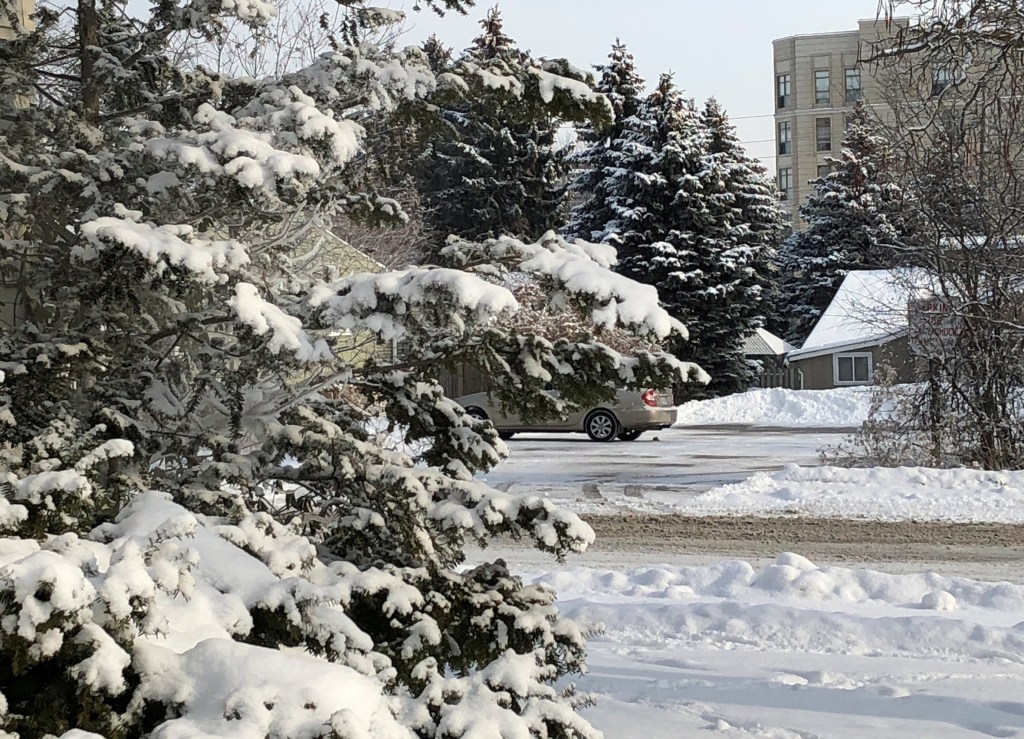
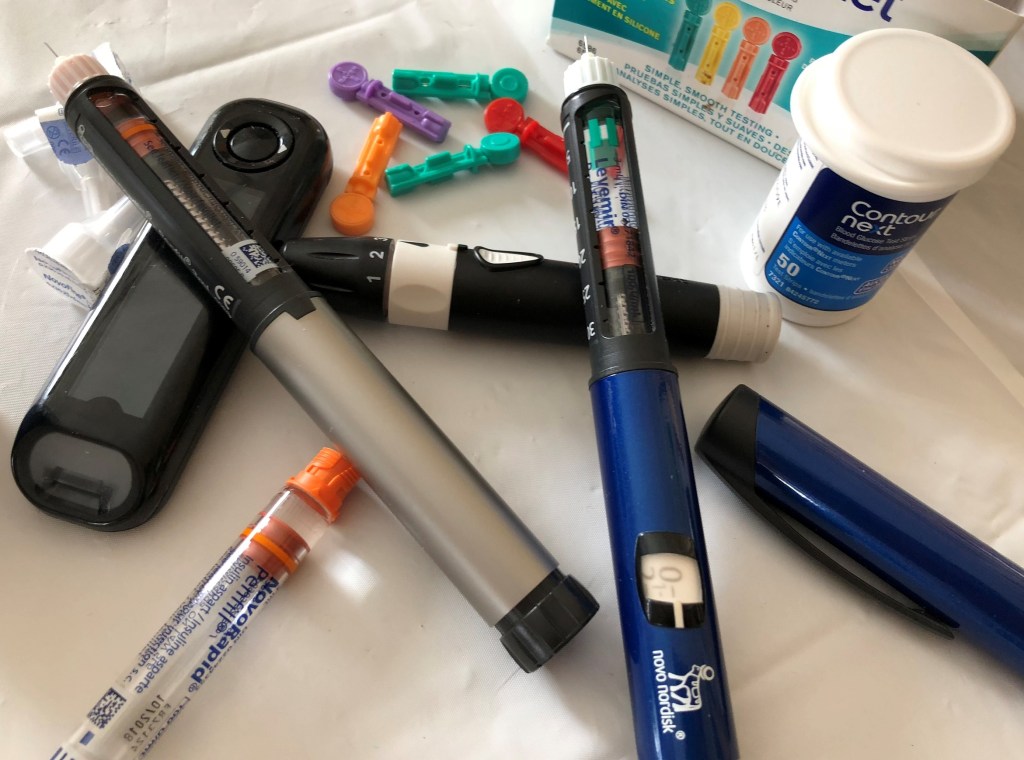
It is a mystery for me. The mainstream medical theories deny such a thing as the ambient weather impact on complex diseases such as type I diabetes and prescribe blood glucose fluctuations and insulin resistance to less exercise or more food intake. I actually can and want to argue with that. Whenever the outside temperature drops to minus 15 to minus 30, the insulin injections I take stop working. I keep insulin in a proper place, I double the dose, I drink excessive amounts of water, I take a walk whenever possible. No change. There is practically no change. I keep taking more insulin until the dose reaches scary amount and then it would slightly lower the blood glucose. That would be using three times the normal dose. This also means a lot of finger sticking and using a lot of test stripes, up to 15 times day, so that finger tips become very painful after a while.

As soon as the outside temperature returns to minus 5 to zero Celsius, I have no problem with my insulin. I return to a normal dose and everything returns to normal levels. That is my ongoing problem with the terribly low temperatures during Canadian winter. The biggest issue that comes with it is damage to the body, fatigue and an absolute lack of energy. Doctors say: you are doing something wrong. Well, I am not. I am doing all the same. The only variable in this equation is very low temperature outdoors.
Seasonal menu as a factor?

I have simplified my menu to the point that it does not take too much time for me to cook and it doesn’t play too hard into my blood glucose sensitivity. I am having oat porridge every morning whether it is summer, spring, winter or fall. I cook it while doing something else and eat it with some butter. It isn’t sweet. I am somebody who always prefers salty dishes to sweets or desserts. I was always that way. I do not have cravings for chocolate or ice cream; in fact, I have chocolate very rarely and in very small amounts. I simply do not like it too much. I can still remember the wonderful taste of the 100% real and chemically unimproved and unprocessed ice cream while I got it rarely in summer when I was a kid, some 50 years ago. This ice cream cannot compare to that one, so, I pretty much do not consume any.

I keep my lunches very simple: some eggs, some cheese, some cottage cheese (the Latvian type of it which is available as unprocessed blocks of half a pound), berries or vegetables such as tomatoes, cucumbers, radishes, avocado and similar. I do consume lots of onions and garlic. I am adding garlic and onions to practically anything I cook. I love onions and garlic.

For dinners, I would mostly have potatoes (Latvian style, whether with skin or peeled and boiled in salted water with some garlic or as mashed potatoes) with simple salads and fish, meat or chicken. We rarely have rice or pasta. Very rarely. I always cook from scratch, practically every single meal, 3 times a day, every day of the year. I do that because I know that way what is on my plate and what it contains.

I personally cannot eat more than 3 times a day; I cannot eat snacks between my meals because I am simply not that hungry. If I would not have to take injection with my meals, I could easily survive on 2 meals a day. I still do sometimes, but skipping one meal and one injection isn’t that great, that affects the schedule and overall blood glucose level. I do not put food first, it usually comes after to whatever I have to do, and food is just something inevitable for me.

Food as fuel and 3 meals seem like a lot

I am trying to use only such foods that are practically not processed. That is the reason I am only using real butter (I always was) and 35% whipping cream because the sour cream isn’t a cream in Canada, it is something which has a lot of ingredients, a lot of added and free stuff, which means it is heavily modified. I am almost 60, and I haven’t ever been overweight. In fact, my weight and size haven’t changed since I was 21. I do not go to the gym (I simply cannot for the most time) and my exercise is physical work, work in the garden or walking. I frequently cannot walk at all, and there have been periods like after a surgery when I am totally unable to cross even the room.

I am listing this to simply show that my menu is pretty much the same throughout the year. I grow my own greens, herbs and vegetables, so, I would have these in summer and fall. I use herbs and greens a lot regardless of season because parsley, dill, green onions, water cress sprouts, rosemary, celery and basil are available now all year round.

Physical exercise and workload

My blood sugar does not comply with my good intentions. After having some very harsh and very cold winters in Canada, I came to conclusion that when the weather reaches some certain minus temperature, I get insulin resistance. I take walks or shovel snow when I can and, strangely, that does not affect the blood glucose. In summer, if I am not really cautious with physical loads, even walking to the store, my blood glucose is always low and frequently drops like a stone, so, I have to use pure sugar or glucose pills, a lot of them to bring the blood glucose level up to normal.

My workload is also mostly the same: typing at computer medical research works and translations, painting and giving art classes. That is the same regardless of season.

Medical and non-medical causes of insulin resistance

I have been researching this phenomenon a lot, but it was mostly attributed to drinking less water, exercising less (I don’t do it ever, not in summer, not in winter or in any other season) and eating more or eating comfort foods. As I mentioned before I do not eat more in winter. I never change my meal schedule when I am at my place, and it keeps my condition pretty stable. The only exception is a very cold weather. For this to happen, the temperature has to drop below minus 10 or so. We have had recently minus 24 to minus 27 for a few weeks and I have been in a lot of trouble.

I have found that there are more people complaining about this issue. The only advice they are given is: move more and eat less. In my case, the blood sugar level stays high even if I skip a meal and eat nothing. It stays high even if I go outside and do a lot of snow shoveling (our sidewalk is very long, it is a huge lot) or walking fast. When it is really bad I am trying to eat more proteins, especially eggs and drink a lot of water. That slightly helps; however, I would not say it helps significantly.

In a very hot weather, I sometimes have to eat lots of sweet things to keep the blood glucose level up and proceed extremely carefully with physical activity. If I have taken insulin at a normal dose, but I suddenly have to walk somewhere, the blood glucose drops heavily and I have terrible low blood sugar symptoms from which it is hard to recover.

Therefore, I tend to disagree with the fact that the ambient temperatures and weather conditions have no impact on us and on diseases such as type I diabetes. Well, type II diabetes is very different in many ways, so I am not talking about type II diabetes which is also most often not-insulin dependent while I live on 2 insulins: the basal and the fast acting.

Seasonal affective disorder

I am very sensitive to anything, however.  I feel a lot of pressure on joints which were fractured (that is a lot of joints: left shoulder, left hip, left ankle and right wrist plus vertebrae fracture) in rainy weather; my low blood pressure goes even lower when it is cloudy and foggy, I do experience lack of energy and fatigue with cold and hot weather: I would say I can relate a lot the seasonal affective disorder. Does that explain the insulin resistance in very low temperatures? It is hard to say because all scientific advice tends to make everybody the same: if 100 people eat too much and do not move at all one must be the same and that explains their high blood sugar levels. I do disagree with that also. There are many type I diabetics who are rather skinny, who have low and very low blood pressure like me, but there is definitely something within my body which causes my blood sugar and insulin metabolism and its release react the way they do. Maybe that is a slow-down of any metabolism? Maybe that is less active immune system altogether? Or over-active immune system? Maybe that is a leftover of a genetic phenomenon which most medical specialists absolutely disagree with?

Globalization of medical treatments

Well, we are all so different. Therefore, one treatment, one advice and the same drugs will never help a condition which has the same name, but occurs in different people with distinctive genetics and many variables in their personal and medical history, as well with different places of origin, race, gender and life style. The general medical approach misses that. We are evaluated by using clinically studied results and values which are STATISTICALLY SIGNIFICANT. When somebody does not fit in any statistically significant category, their doctor will say: that cannot be. That’s exactly what they will say. Why? It cannot be because it cannot be. Don’t we know other things which cannot be, but they are?

With globalization of everything, treatments tend to become global, too: if this was working in 100K people, it must be working in you, as well. Is it? No, it frequently isn’t working.

I find that the individual aspect of any condition and disease is the one that is neglected and missed most often. It is so easy to go by the text-book. It takes a lot of courage and extraordinary thinking to get beyond that and start treating every patient as an individual which we are.

Therefore, I am very sure there are more people whose blood glucose levels ARE AFFECTED by the ambient weather and temperature. It could be a more sensitive immune system, their personal metabolism, metabolism of minerals, vitamins, salts and water, sensitivity of blood circulation and blood composition, as well as glandular activity, hormonal balance and genetic settings which play a role.

Individual differences in clinical conditions

The only different article which reviews the insulin resistance in extremely cold weather was this one: https://www.healthline.com/diabetesmine/diabetes-and-the-ice-age#3

Comments under this article showed that most people either did not read it carefully, or did not understand what this article was about. As I mentioned before, type II diabetes is very different from type I diabetes, and methods of treatment and ways of maintaining healthy glucose levels are different, too. Plus, etymology of type I diabetes should be taken into account also, but nobody ever does that. I find that most doctors will view a patient as one of many similar cases. It is very rare when individual specific issues are addressed because the excuse always is: it just cannot be! It sometimes is, even when the cause is unknown or unclear. If there is somebody type I diabetic reading this who has experienced something similar, I’d love to hear from you!
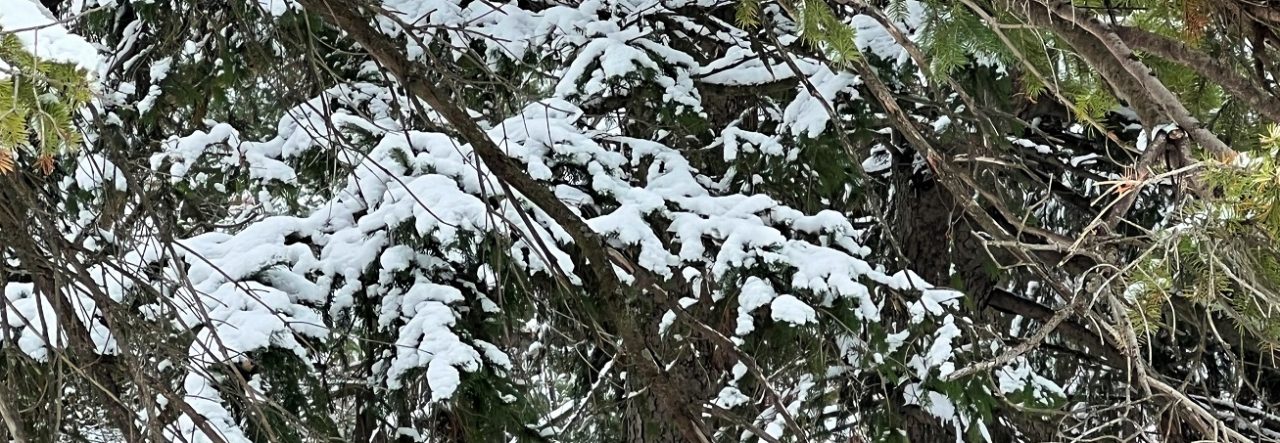
It is terribly cold still. The weather forecast promises milder week ahead, so, I’m very much looking forward to it. I cannot even keep sitting at computer because I am frozen stiff. If I do not respond right away it is because it is too cold to stay on the first floor.
Stop and smell the roses

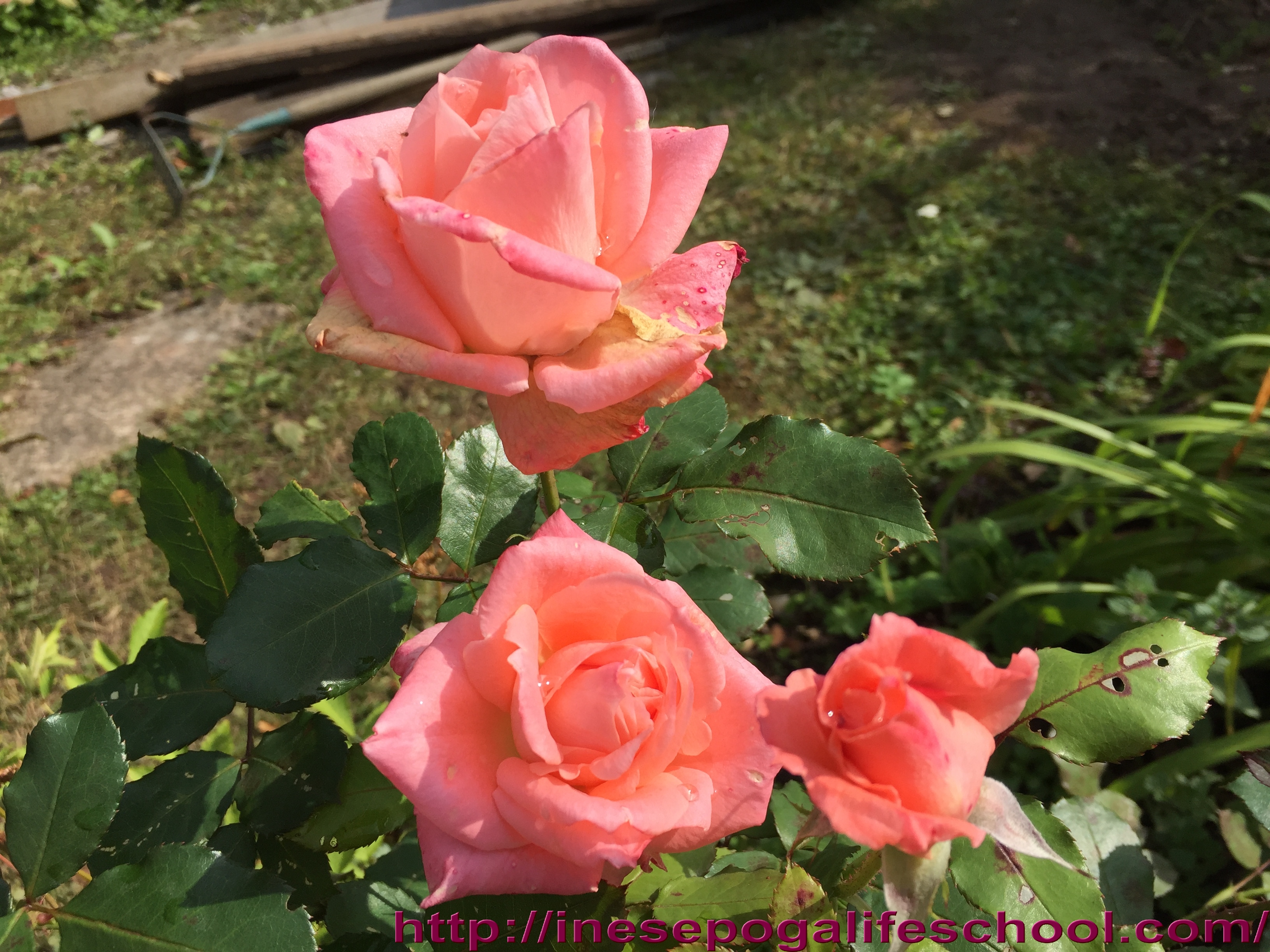
Yes, stop and smell the roses and other flowers.

When was the last time you decided to do so?

Just yesterday? Today? Congratulations. It’s not true that you don’t have time for that. Believe or not, there is time enough for anything: even with long commute (which is most often our choice), even with small kids and no grandparents or nannies, even when studying or being a workaholic.

Having no time is a habit and lack of focus. Having no time for smelling flowers and recharging is a bad habit.

Are you saying: yah, right? I would like to repeat that it is a bad habit and it comes from chaotic and scattered attention management, or rather, attention non-management.

Being and feeling rushed with everything causes nervousness, unplanned actions and loss of time. We have to pretty much stick with our daily routine, and that means: if you can spend just 1 hour in front of TV, do not make it 4 hours at the expense of your sleep, or if it’s responding to an e-mail, we cannot make it scrolling through all Instagram or Facebook feeds and new posts. We have to stay on the path.

We don’t do that always, do we?

I am convinced that we are experiencing a chronic feeling of always lacking time. Realistically, we should have more time because there is so much help with housework, shopping and lots of other daily chores; there is automation and so many devices are replacing manual work.

Where does the time disappear?

It evaporates with unexpected, unplanned and also forgotten things. There are so many distractions with anything we just were about to start doing. Time over-consumption is also caused by unreliable and chaotic people who we have to be in touch with. Therefore, I am very convinced that it makes a lot of sense not to deal with people who never have time: either for you, for responding to you or for anything in their life; who cancel things because they never intended to do something in the first place, who are always late, who love talking too much or texting too much, or who do not even listen to what you are saying.

Having time for stopping and smelling roses eventually comes down to discipline. First of all: that is self-discipline. It’s not the case that we are always perfect and we never get lost in our good intentions. No human is 100% perfect, and life is never perfect. So, whether we have time for ourselves and whether we can make it for smelling flowers also requires some flexibility in executing our daily tasks, even small ones, and it requires so much more flexibility in tackling the big ones.

Late autumn, but everything in full bloom

Gentle, delicate, beautiful

When my daughter was just 8 months old, her father passed away. So, I was alone. I got German language teaching job at a countryside school because they provided with a free apartment. However, the free apartment had absolutely no conveniences. I needed wood for heating the stove on which I had to cook and also the heating oven in the other room. I had to take to a high second floor every bucket of water and afterwards I had to take it out. We didn’t have easy to use diapers or formulas these times yet, therefore, I had to manually wash everything since I did not have a laundry machine and I had to cook for daughter something she could consume, which was liquid porridge type of thing most often. There was no heating, so every time when I needed to warm up her food I had to get stove going.

My teaching job was full-time. That happened in the ancient soviet times, so, we didn’t have any nannies. There was no free spot in the kindergarten either if somebody would take such a small kid. I took my daughter to classroom which wasn’t far away, but just in another building. The school principal didn’t mind because they really needed a German language teacher. My daughter was either sitting or sleeping between students. She actually started to speak in full sentences extremely early and she also started to walk just at nine month.

My biggest problem was getting the wood: they showed me large logs which I was allowed to use, and before I could utilize them for heating, I had to split these large logs. I had seen my dad splitting wood, and it looked quite easy. I borrowed a huge axe and got to splitting. That was really tough, especially until I grasped how one tries to hit the right spot on the log. Next thing was to get that wood to the second floor storage. I decided to organize a help team from anybody who was around, and I was very lucky that some older teens and a few other teachers assisted in taking the wood to the second floor.

Salaries were miserably small, I mean, really small. I was doing sewing for people who wanted some outfit. After daily lessons I gave at school, I was sewing wedding dresses, suits, jackets, skirts, dresses, blouses, you name it. Some people offered produce and products instead of money. Well, I didn’t refuse.

I was in the fourth year at the University; I studied foreign languages at that time. Later at night I was preparing my test works, research works, etc. It was a lot of work for one person, however, I managed to read books, go to concerts or dancing to a local club whenever there was something on, too.

I have been thinking a lot: how did I manage to get this done? Practically on my own: full-time job, studying at University, small kid, home chores: wood, water, laundry, cleaning; sewing to make some additional money? People quite frequently don’t have to do even half of that and they are saying there is no time for anything.

The answer is extremely simple: I did not have a TV. Internet wasn’t invented yet. I didn’t have any phone. Nobody was dreaming about something we call smart phone now. I mean, there were practically zero distractions.

It’s impossible to avoid from all distractions with everything going on at once nowadays, however, there is a line which we can draw. We also learn how to say “No”. We sort out priorities and start with the most difficult mandatory tasks, then we move to easier things, and then we enjoy the time we have saved. It shouldn’t be at the expense of sleep, definitely not.

So, we are now free to go and smell and enjoy flowers.

Health or trouble from the grocery store?

Can we trust any food-producing company and take their word as a guarantee for healthy and harmless food? I know that you are aware we cannot. We should not.

I’ve seen recently organic sour cream which wasn’t a cream, but a mix of different thickeners, taste enhancers and some other things. Hey, cream should consist only of cream! Shouldn’t it? That’s how it always was: when we separate the fatty layer from milk, we get cream. Not nowadays. Dairy products are the most chemically enhanced food, quite often: surrogate food. Dairy products are easy to replicate using all kinds of substances.

Can we trust anybody who swears their produce is organic, grown in organic soil without the use of non-organic fertilizers? Absolutely not. I have suspicion certificates do not land only on organic farms. Some former employees point out such issues. Only after multiple claims, food inspection would do something about it.

How healthy are they?

Where do they come from?

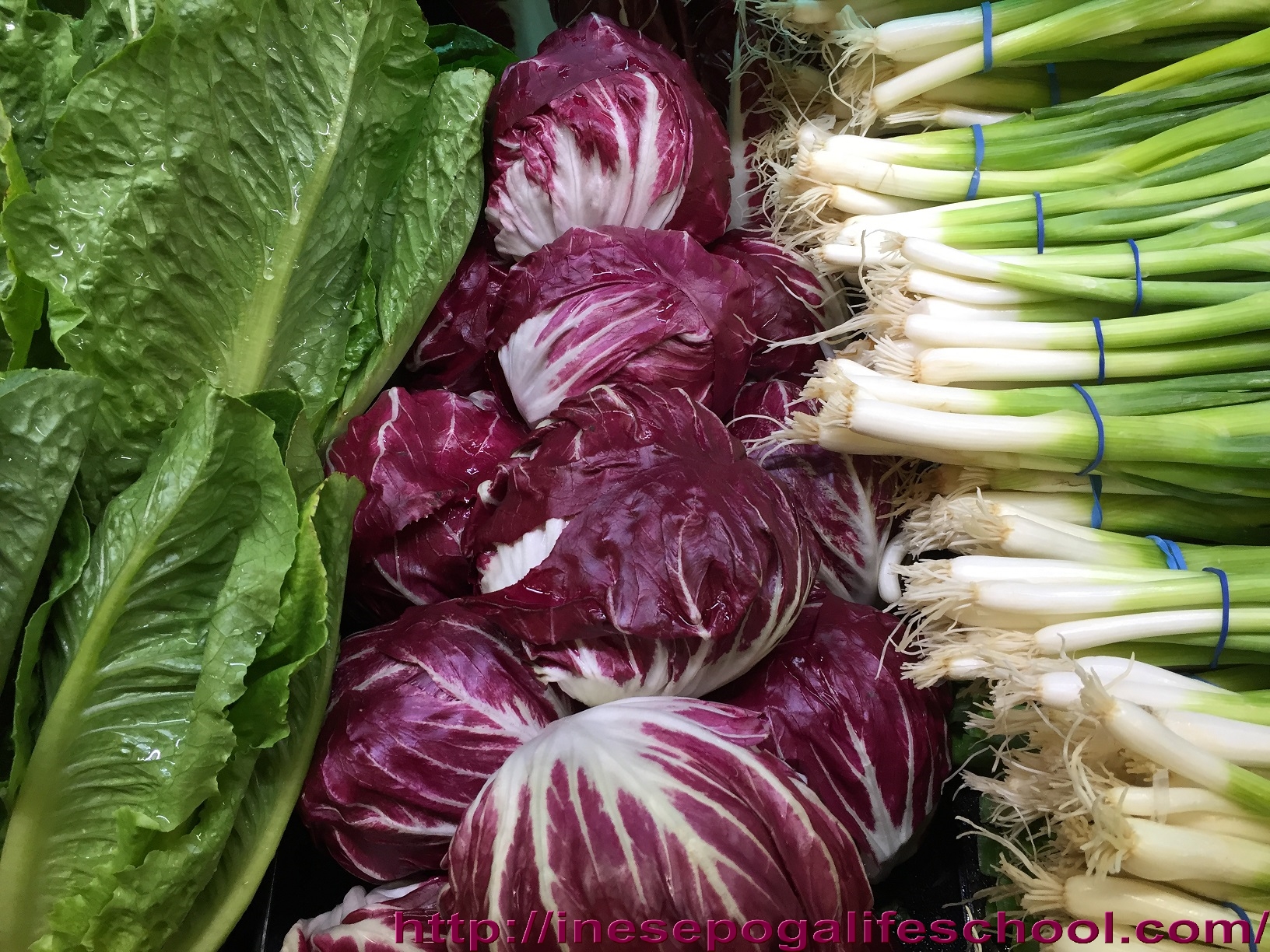
Look at the grocery store shelves: long rows of vegetables. Some are not that great looking (organic since so small?), some are as if from a colorful food commercial (these are the GMOs: the taste and flavor is sacrificed to longer shelf time and more attractive look), some are frequently soaked in the water or they call this process: sprinkled with water to appear greener and fresher. In other words: these green leaves are slowly rotting straight before your eyes.
Leafy vegetables and greens cannot tolerate such soaking: dill, parsley, coriander, lettuce, spinach and other greens start losing nutrients and getting damaged right after they are harvested. They rot literally on the shelf. How much vitamins and minerals have they managed to preserve that way? I bet not much. Especially, when we take into account how unstable some vitamins and amino acids are, for instance vitamin C. I also do not like how these greens practically disintegrate very soon even in fridge. They lack flavor, as well.

I believe selling unwashed potatoes, carrots, beets and similar root crops would feel offensive for aesthetically refined clients, but anybody who ever has grown some vegetables knows that storage time of root crops decreases dramatically after washing them. I just bought a bag of new potatoes. They were most likely packed wet, so some are already damaged. What happens after a week? They are all rotten.

Root vegetables have a protective layer which keeps them undamaged in the soil. When this layer is washed off, this vegetable becomes sensitive to any harmful bacteria and environmental issues. Washed root crops must be consumed fast. Also: avoid potatoes with visible green parts: that is effect of toxins due to improper storage or handling. When peeled, that should be ok, but generally, green color potatoes should not be consumed.

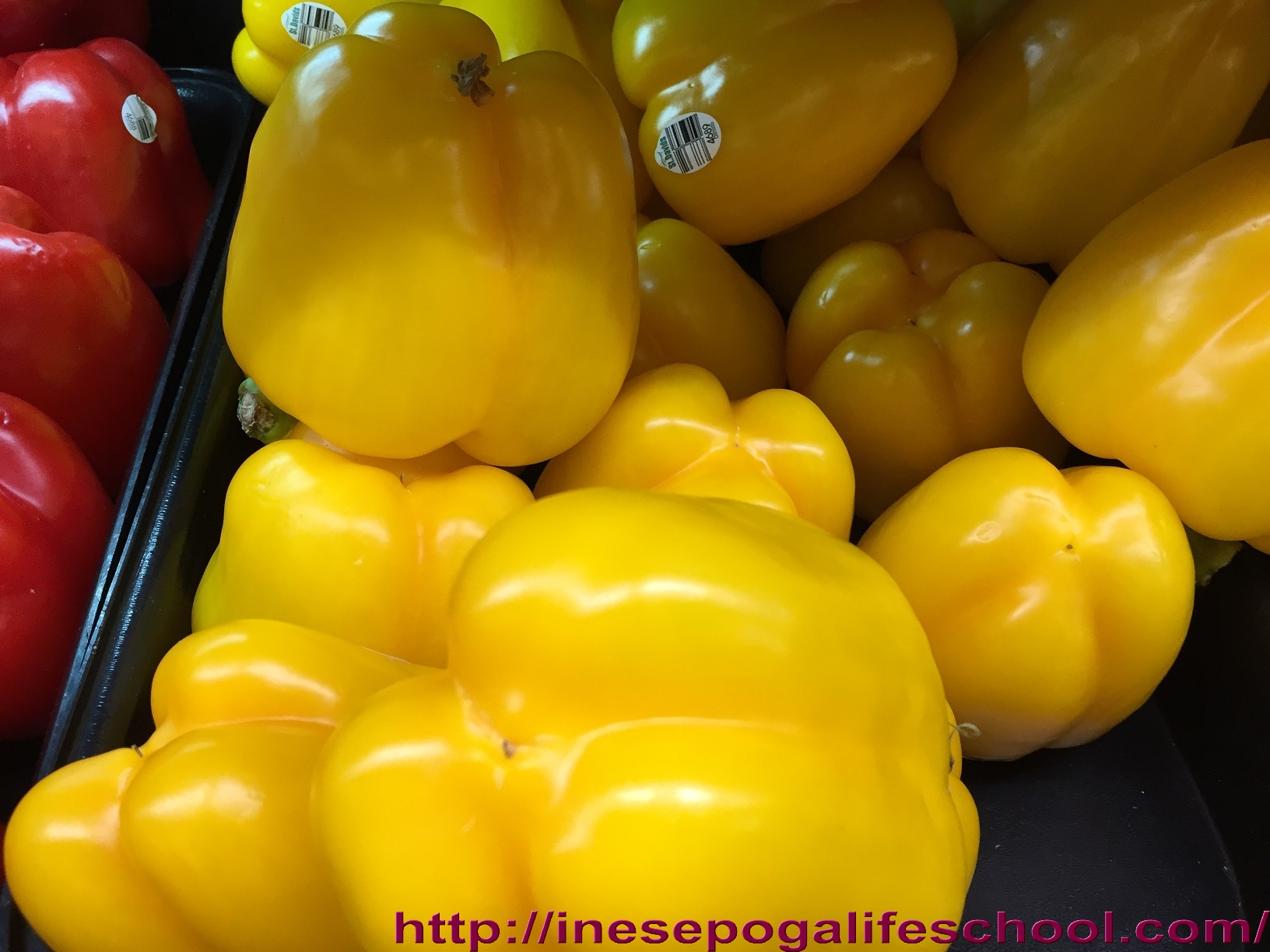
The other issue is too good-looking fruit and vegetables. If vegetables look very neat, are all the same size, have flawless shape and even color: they are most likely genetically modified.

We should require such food to be labelled, but Health Canada, for instance, does not think we should know that. They also emphasize that GMOs do not cause any problems, issues or concerns. Short sighted? More than that: they are protecting farmers that use GMOs in order their profits would not decrease. Insects and animals die out, but they are of no concern for human use, sure!

While greens and vegetables along with fruit that contain only naturally intended things are good for us, especially, if they are not stored for weeks or they haven’t been travelling to the point of sale for months, packaging material matters, too.

As we walk around the grocery store, we can see lots and lots of greens packaged in plastic bags, containers: baby greens, especially, pre-cut vegetable and fruit salads, lots of them. Generally speaking, it’s bad news. Whatever vegetable: it needs to breathe. Believe or not: they really do. When such greens are packed in a plastic container that is practically sealed, vegetables have no other way but to get damaged faster. So, they are washed. They are pre-cut for salads. They are pre-packaged. Who knows when they were harvested? That is all bad news. Such vegetable already loses nutrients in storage. Even without cutting, washing and handling. After washing these vegetables with special dirt removing mixes (it’s not clean water, believe me, because it wouldn’t be able tore move all stuff from leaves) they are dried and then placed in plastic bags or containers. Whatever way you look at it: I cannot see how they would possibly still have nutrients. Not to mention there is nothing fresh. Fresh, in fact, is: straight from the place where it was grown. There is no other fresh. Plus, toxins from plastic packaging, plus, handling with tools (cutting): that causes rapid losses of good things and fast increase I bad things, e. g., bad bacteria.

If you have access to a food lab, please test the vegetable for essential nutrients 2 times: straight from the garden and after a week in fridge. I don’t think you will ever use any pre-cut salads again.

It is too bad that large cities provide with so much life and entertainment, but getting really good food is such problem there because most often we are eating illusion about healthy food.

Congratulations if you can grow something in your backyard and you are in a driver’s seat if you can grow most of stuff which goes on your table.

Please, stay away from plastic packaging. Salad that is not prepared before the meal has practically lost not only its flavor and taste, but also most of nutrients.

While we do not have a decent food labeling system, we will never know what we are consuming. Never. Heavy metals, toxins, pesticides, chemicals: it greatly depends on soil, on farm, its location, climate and soil characteristics, greenhouse location, applied methods, processing plant, its location, its processing techniques and methods and storage and packaging facilities. This matters to a great extent. To a huge extent. Not to mention whether a product comes from a genetically modified seeds and plants. I can see at the present moment only: product of the USA, product of Mexico, product of Ontario. There is no sign of a specific harvesting date or location, nothing. I personally think this has to change. Our health very directly depends on the process of harvesting, sorting, washing, cleaning, transporting, storing and processing foods. Especially, that refers to foods that are deemed to be so healthy and nutrient-dense.

Cucumbers and tomatoes doing not well: try this

If it is too late for this growing season, these simple steps will help you have great tomato and cucumber plants next spring; you will also enjoy a rich harvest.

The bad weather we had this growing season opened my eyes. I would never imagine that there is such an insane difference between plants one grows from seeds and between plants we buy at garden centers and nurseries.

It was raining for more than a month, and we did not have any single sunny day. My garden was practically immersed in water. I tried digging deeper ditches along the plant beds to make the rain water go away, but every time when it rained again, all plants were practically floating.

Fortunately, this soaking ended, but the next period came with extreme and intense heat which meant that plants were literally boiling in the hot soil that had become heavy and did not allow plants breathing since in such a soil there is hardly any space for oxygen.

I did what I could; helped plants as much as possible with loosening soil and adding dry soil here and there, but the scene did not look that pretty.

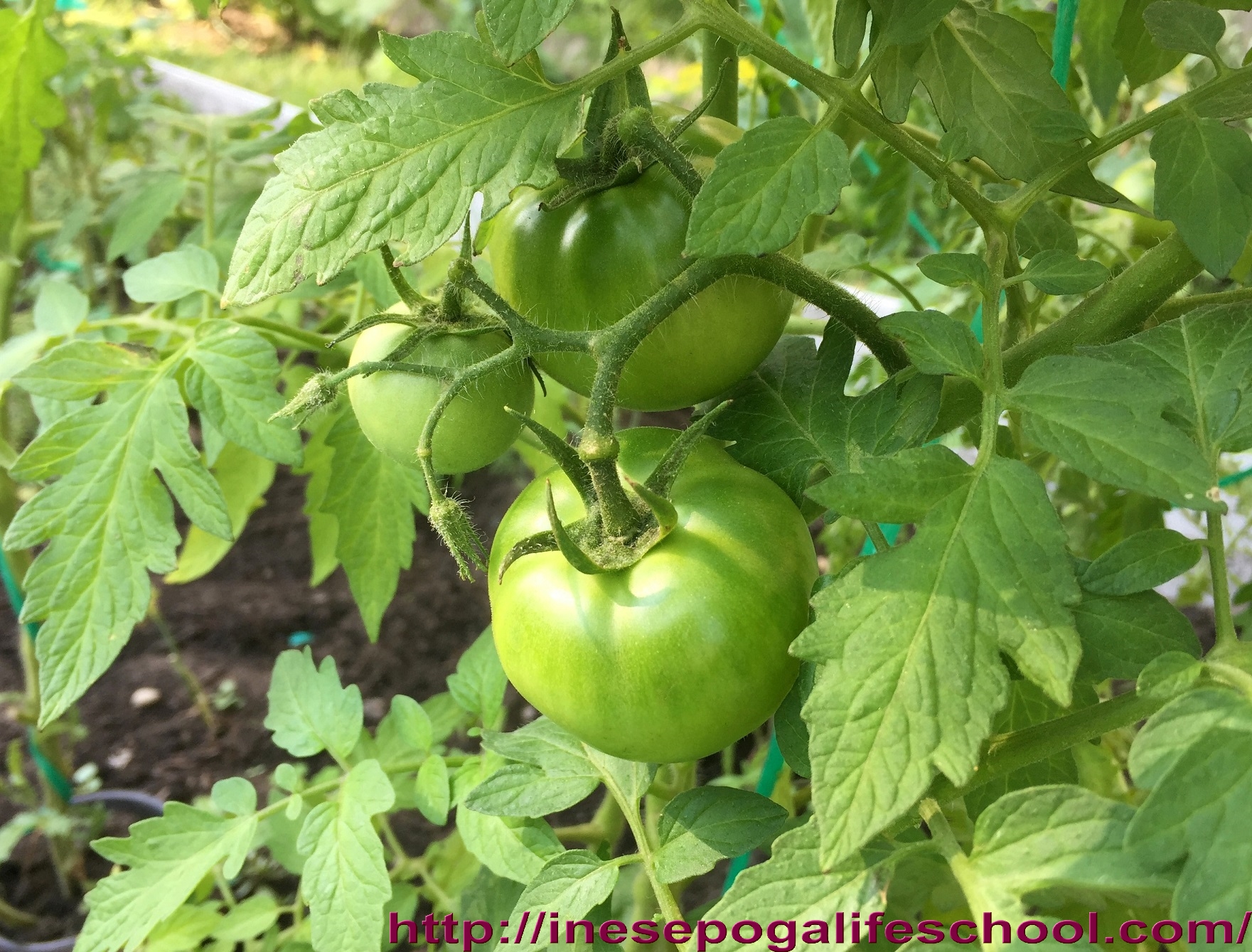
I discovered that tomatoes required simply replanting after shaving off the yellow leaves. It was quite late in the summer, but I noticed they did not mind. They recovered approximately after two weeks. The key is to disturb the root as little as possible. I use a big shovel and take the tomato plant over to a quite deep hole which I prepare in advance. I replanted some tomatoes in large pots. Every single one recovered once it was removed from the previous spot. Even that one recovered which I literally tore out because I was already tired with all this wilting and rotting, and my energy was getting low. I just put it in the closest empty spot and loosely covered with some soil. Whatever, I didn’t care. To my surprise, it started doing so well after a few weeks that I could not believe what I saw.

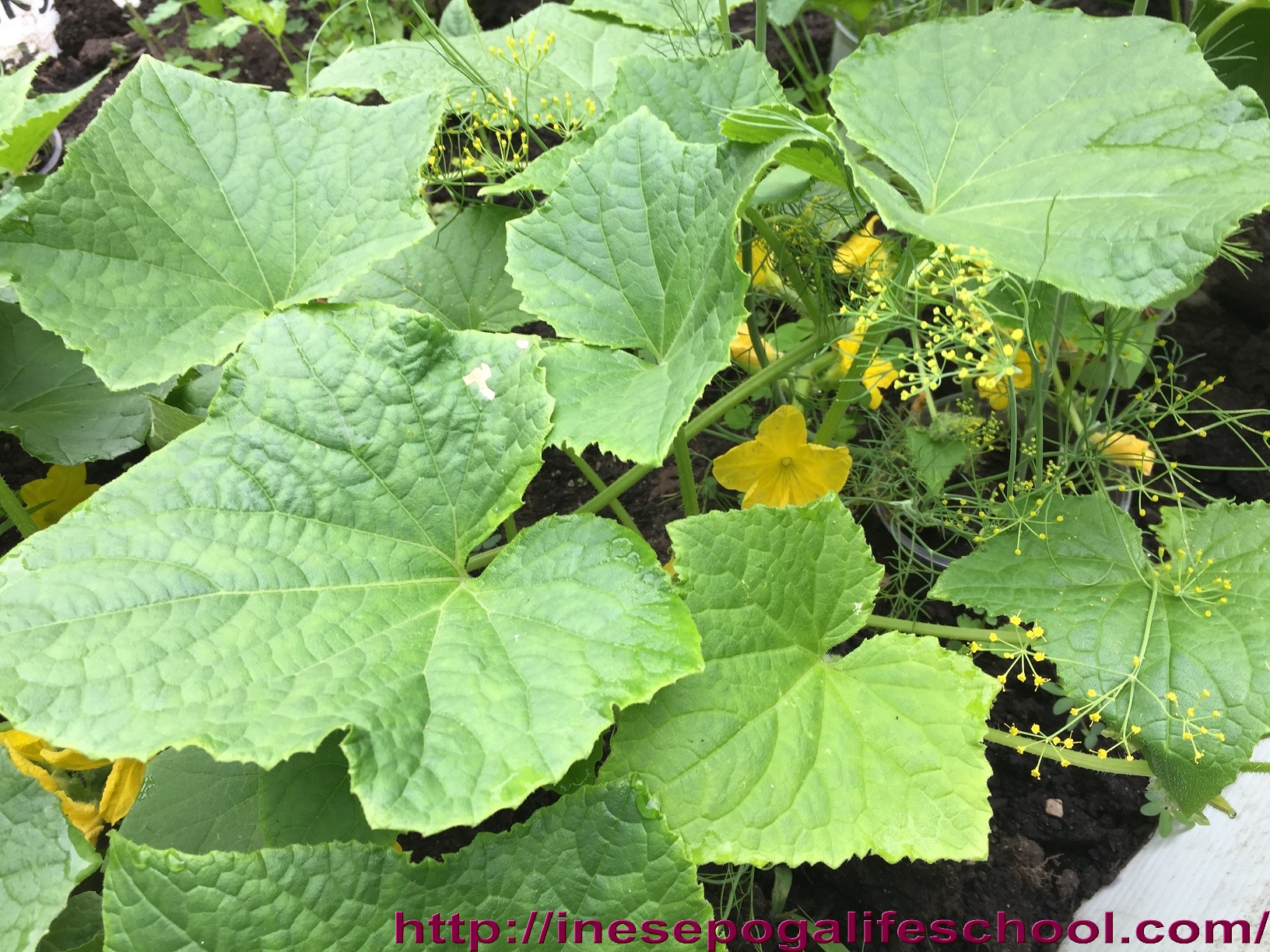
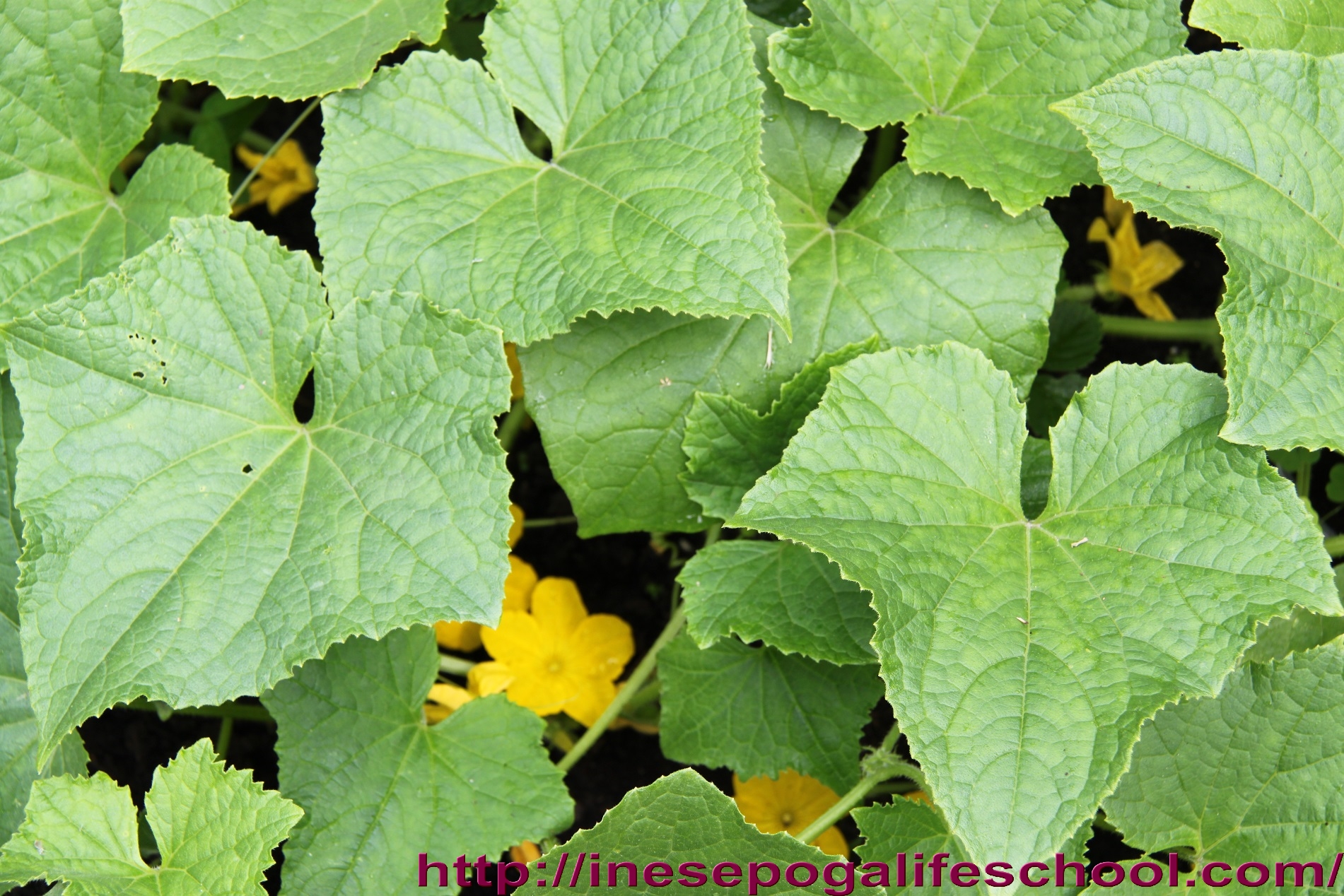
Cucumbers do not love replanting that much. They will die off anyway. The best we can do is to cut off all the damaged leaves and even damaged parts. I know it feels like we should preserve whatever we can, but if there are any signs of mildew, mold or other similar damage, just cut if off and see what happens. Most cucumbers recovered after a big struggle and efforts from my side.

The plants that seemed to be having no bad weather impact were the ones I had grown from seeds. I was under impression that it is safe to buy plants at garden centers just like we were frequently doing in Europe. That is not the case here in Canada. I can see now that they most likely push out the plant with all kinds of root boosters and fertilizers, so that when this in a controlled temperature and under controlled light kept plant gets out into the garden and in naturally rough conditions it has no way, but to get all plant diseases and suffer from sensitivity to heat, temperature change and intense sunlight. So, I suppose, this is bad news for garden centers: I will not buy any plants from garden centers and nurseries next year. It makes no sense, because all plants which I started from seeds were and still are doing fine: there is no mildew, rotting, wilting or any other issue with them.

We could compare such a plant with a child who has been watched closely and has grown up in a strictly controlled environment, sometimes even sterile: once this kid gets out in the real world with all its disasters and impacts, this kid will get diseases and become sick from any germs that are around and completely harmless to these who have developed immunity gradually. Gradually means being in touch with outdoors and indoors, with anything that comes along.

Therefore, my main observation is: if you want your cucumber, tomato and other plants to be strong, resistant to plant diseases and weather conditions, start them from seeds. The best is also to use seeds which haven’t been genetically modified or processed using chemicals. Naturally strong plants just like humans need everything natural, not enhanced, not improved, not overdone: just naturally beneficial.

One more observation for extremely diverse climate where temperatures can go from very low to very high rapidly or where long rain periods are followed by lots of exposure to direct sun: let the cucumber plants go wide and allow them expanding on the soil without putting them on trellis, strings that go up, I mean, do not raise them up vertically because they will have more chances to do great close to the ground; and the weather impact will be not that harsh.

Think pink: how to return to life after a long treatment

A few suggestions which work for me

If you just took the last pill, are still struggling with the treatment medications, are just getting in or out of a long treatment, I know where you are coming from.

The treatment of my current health issues lasted for 1349 days so far. It hasn’t ended yet, but I am getting back to life and back to normal everything. 1349 is just a number. It is just a number that has resulted from many months, weeks, days, hours and minutes spent trying to feel better. Did you know that every minute in pain lasts longer than an hour doing pleasant things?

I have tried everything. I am not saying that my personal experience is going to work for everybody, but some parts might.

The inevitable side effects

Many people go through very long treatments and use medications that also destroy them along with a cure. Side effects manifest on our body and on our mind in many very different ways. The cure of bad issues and severe conditions always comes with undesirable effects. Always, that is the nature of chemicals which can be extremely harsh at times.

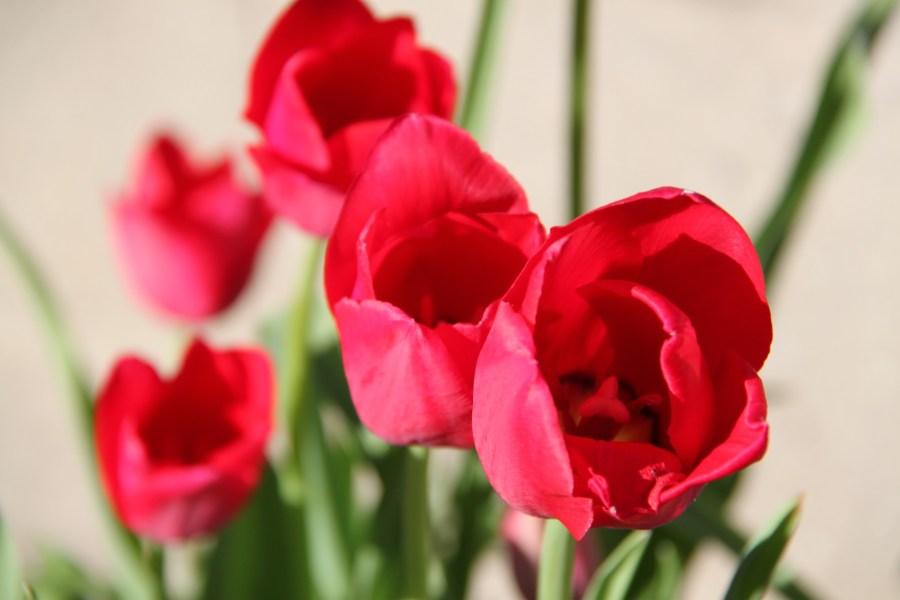
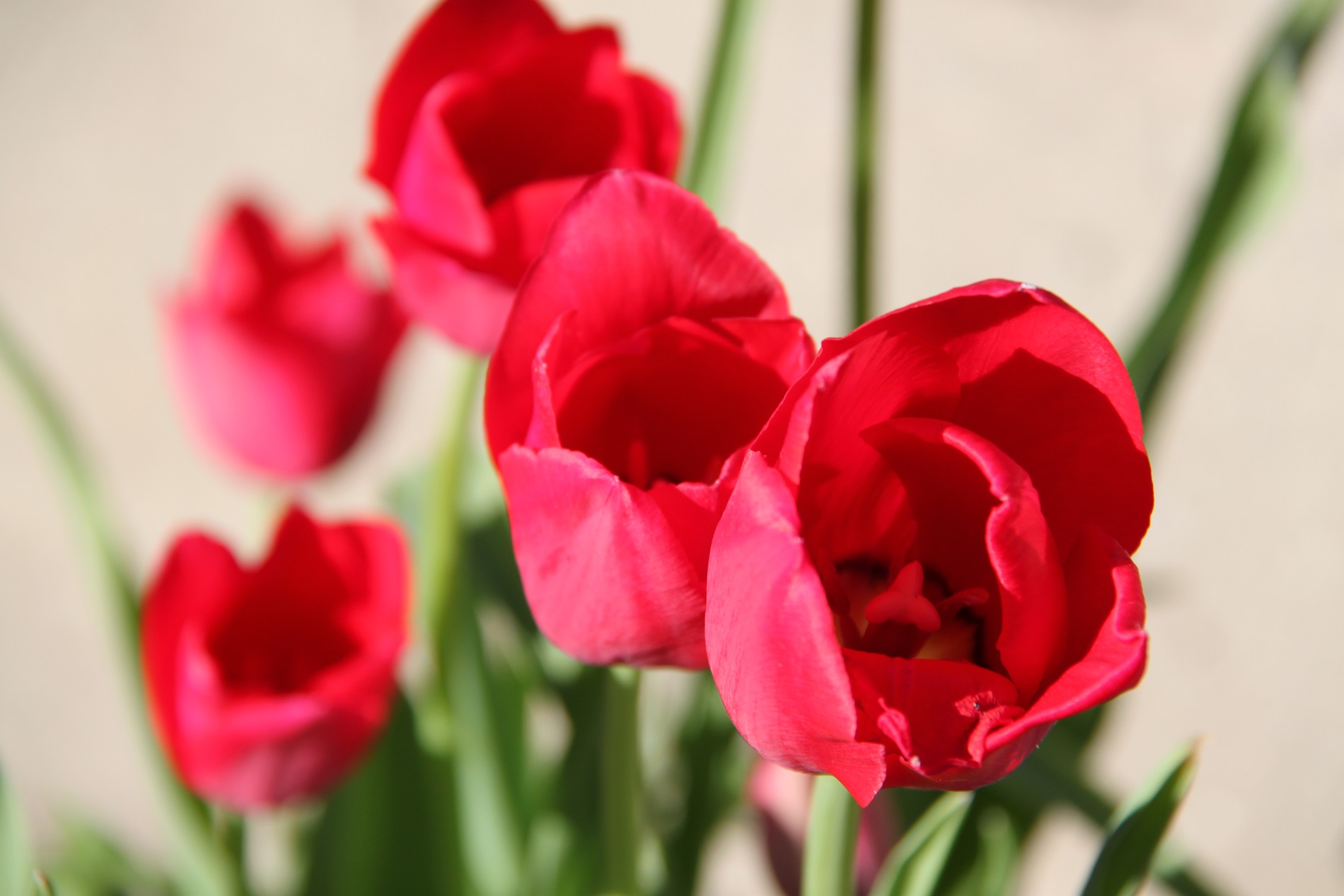
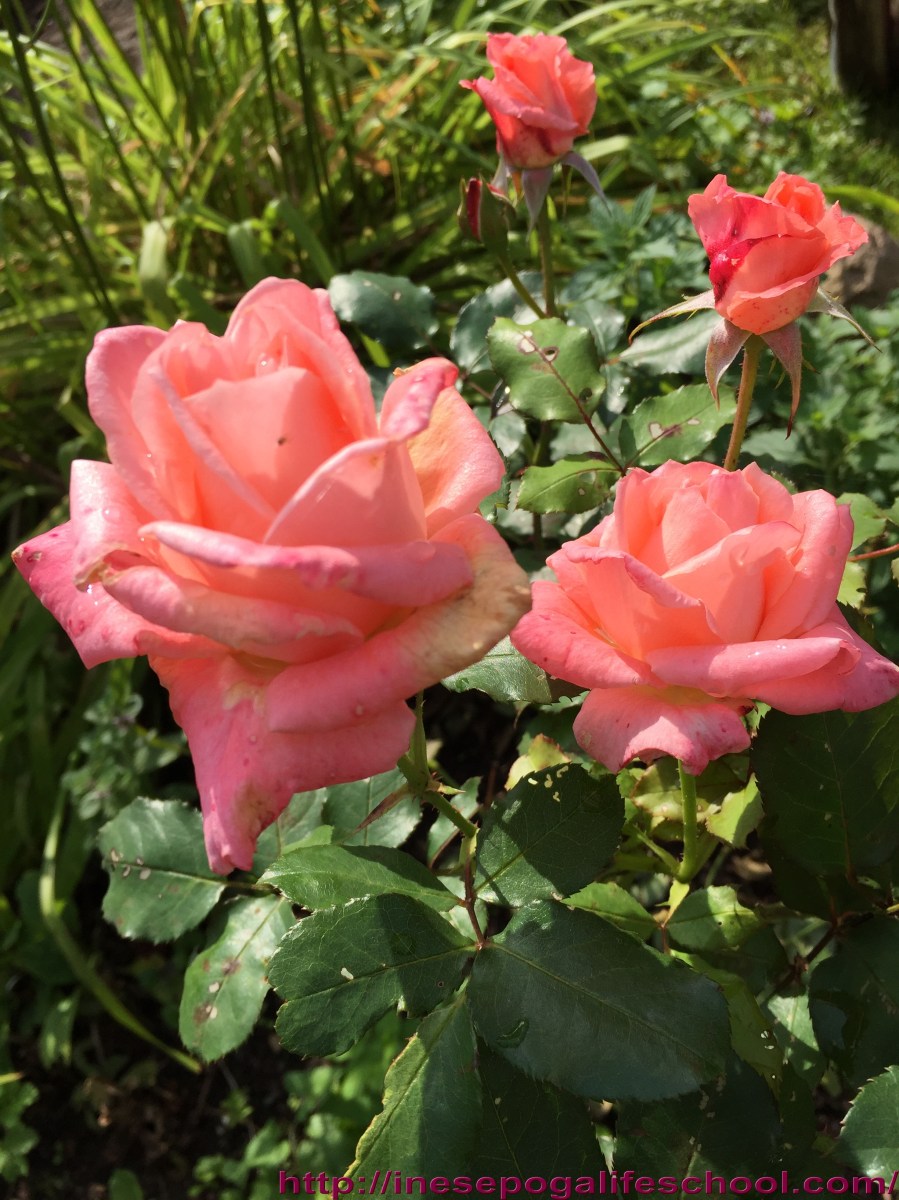
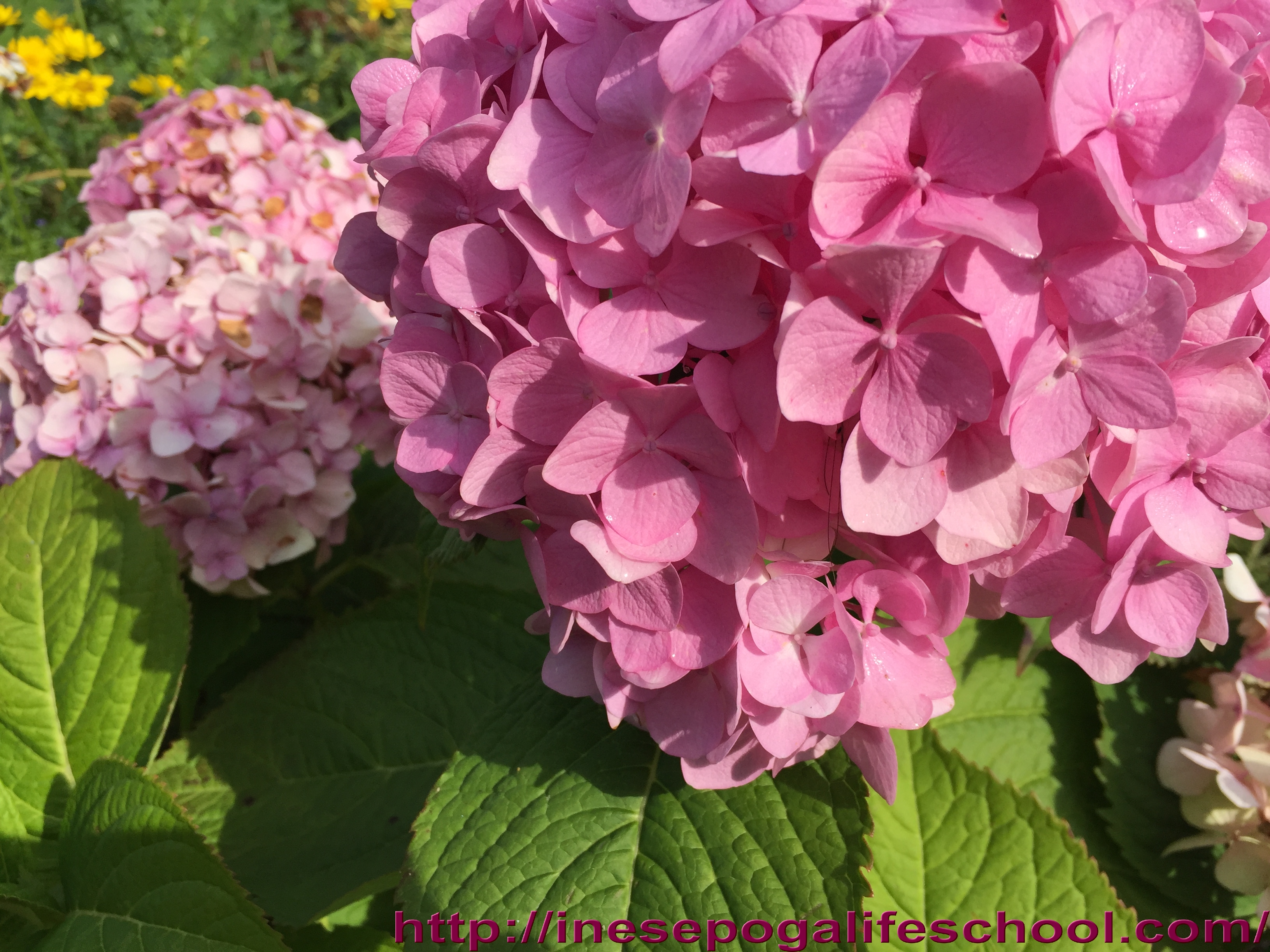
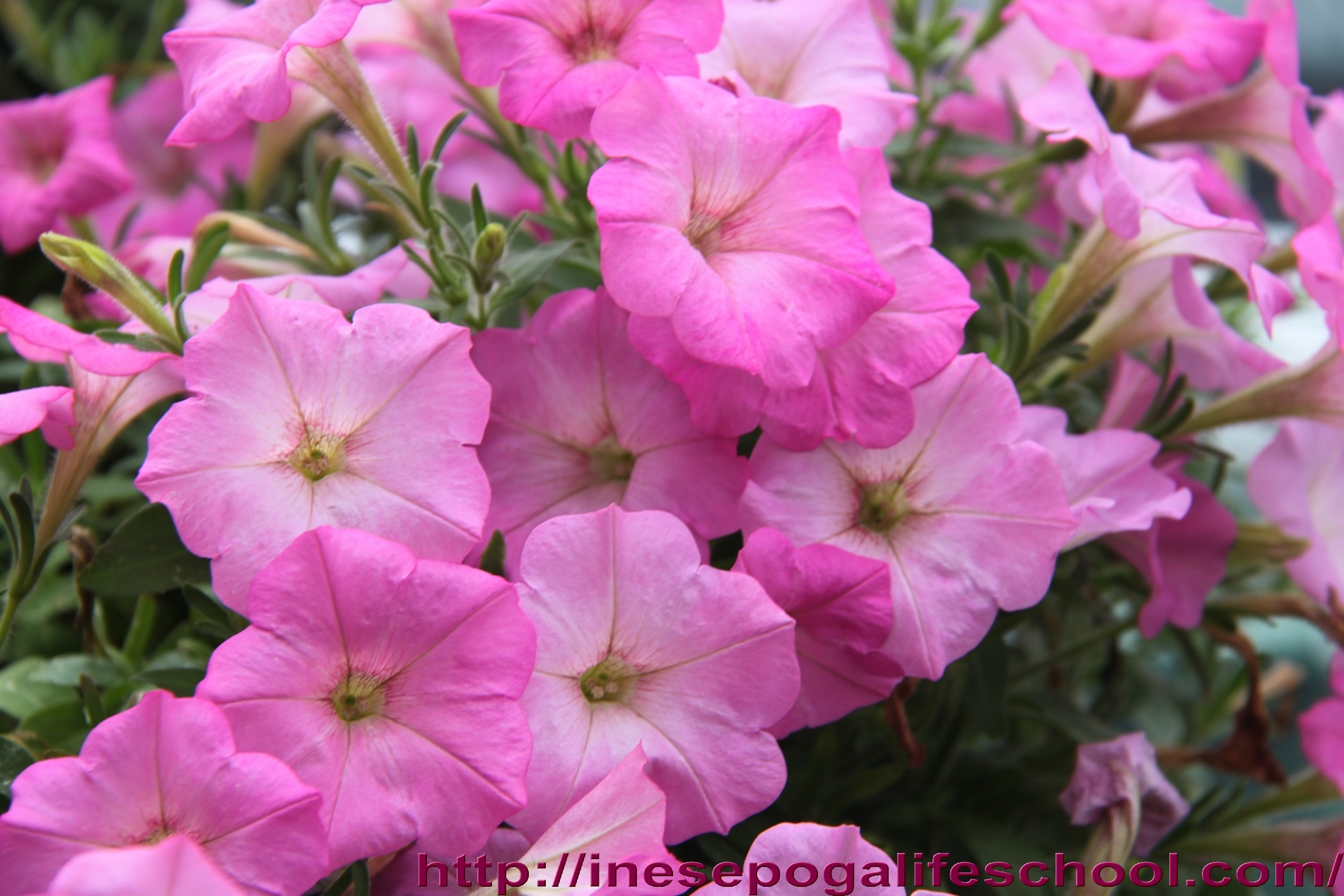
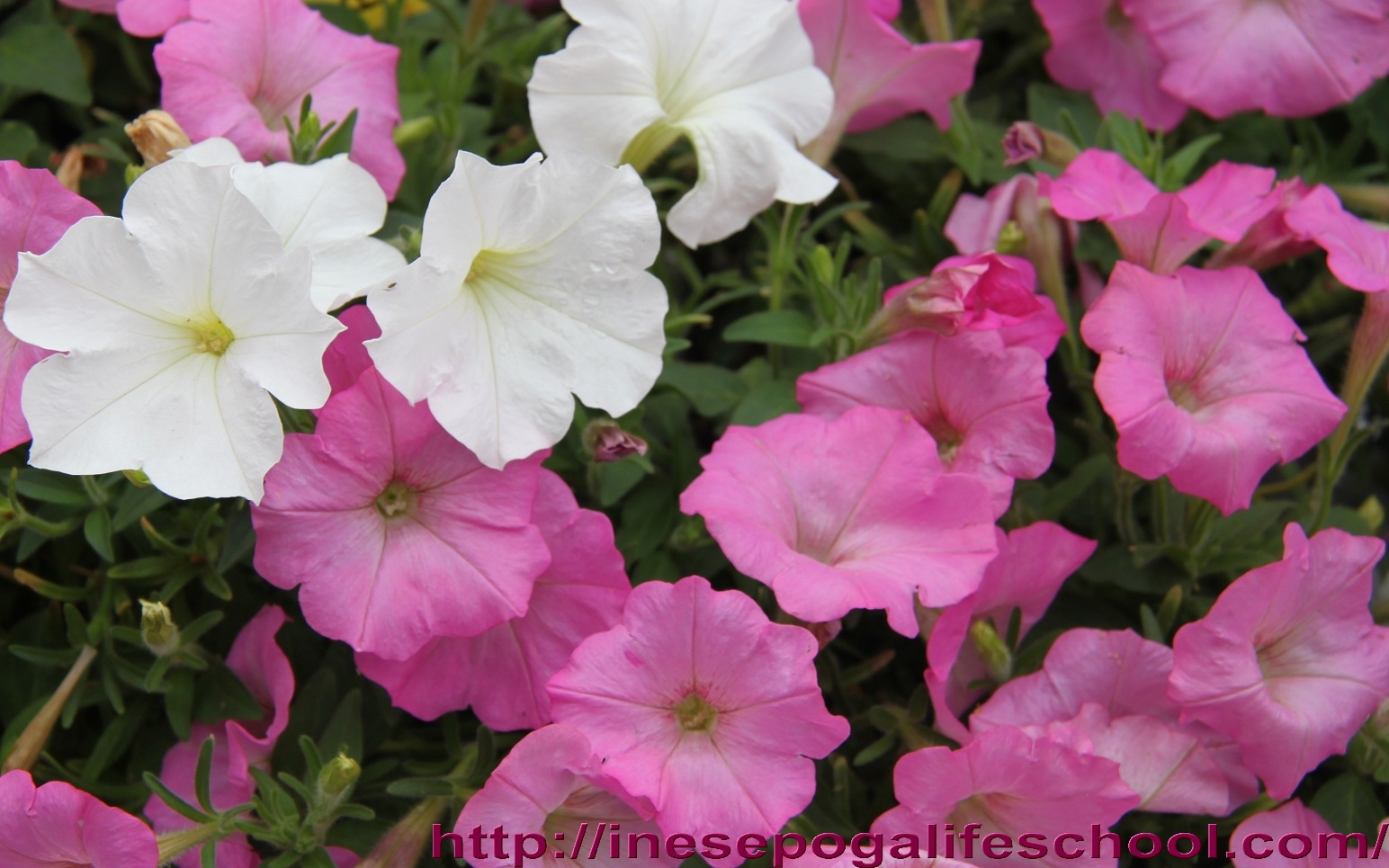
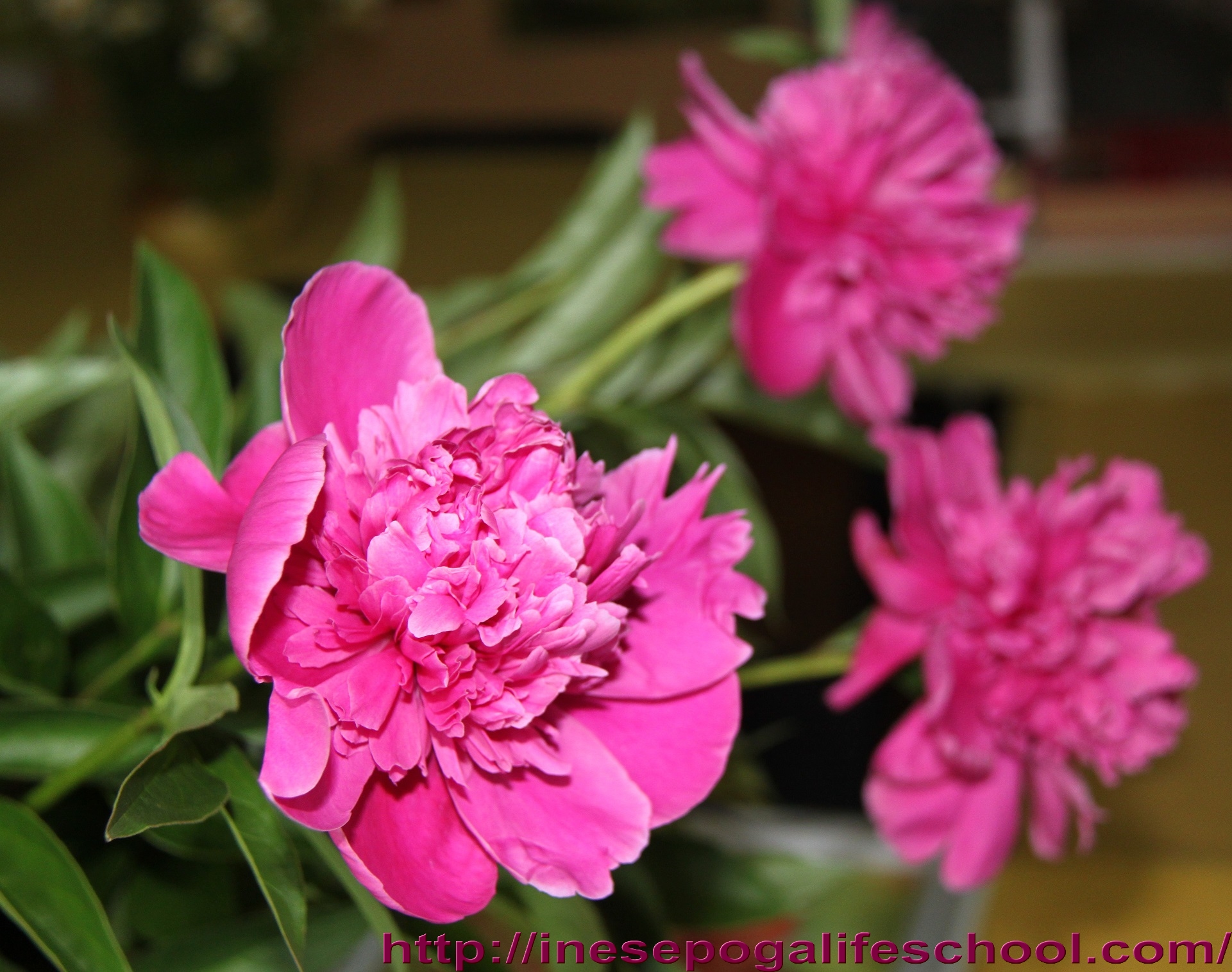
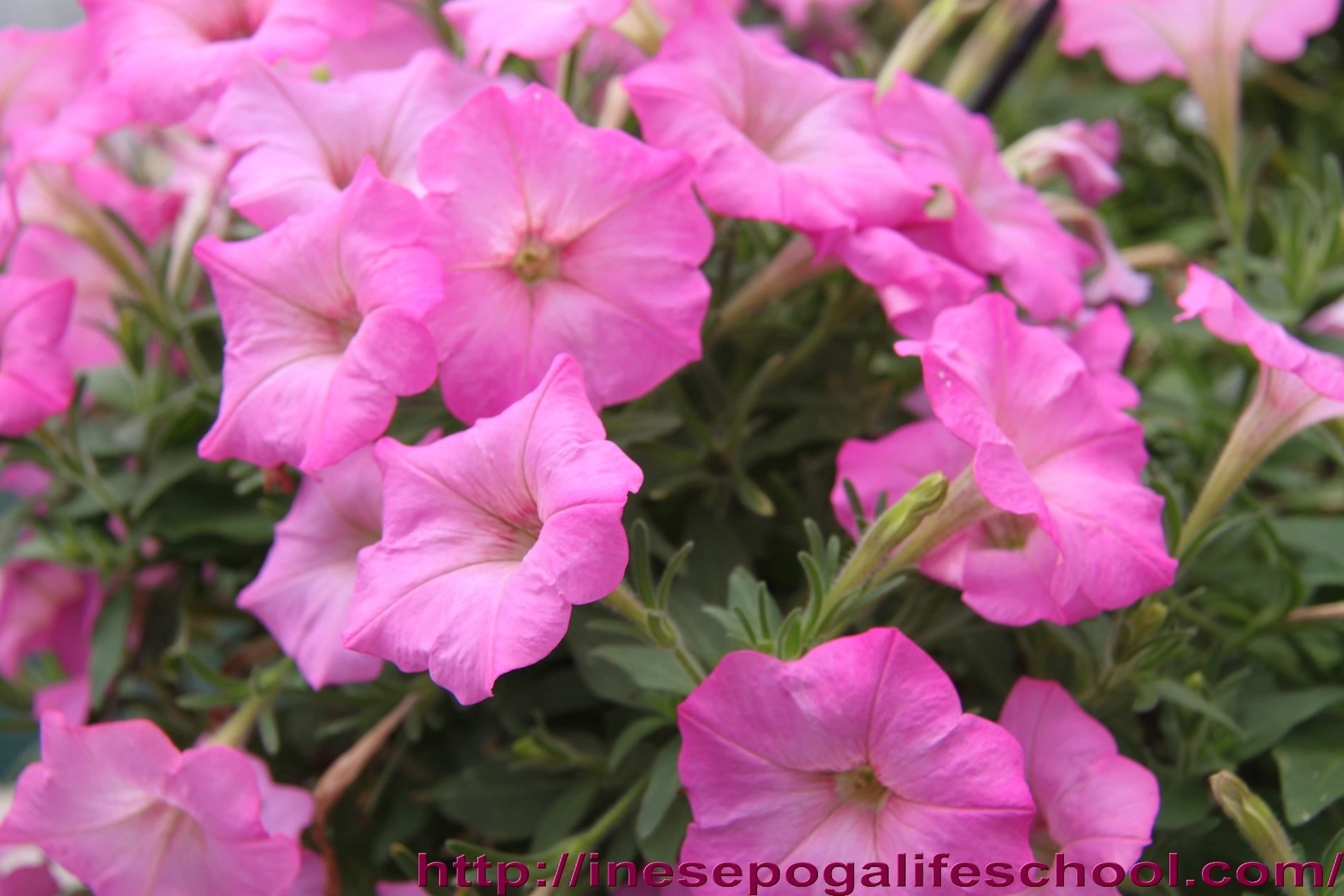
I just downloaded some beautiful pictures of flowers and could not resist sharing them. I attached them below text.

Looking at, thinking of and seeing beauty in nature helps me relax and makes me forget pain and bad feelings. Does the beauty have the same effect on you?

If it does, you should put yourself together as much as you can and get out there and look at flowers, trees, listen to bird songs and watch wild animals like squirrels or rabbits, chipmunks or similar creatures. Watching undisturbed flow of a very simple life supports the weak, recovering body and certainly gives more strength.

The first suggestion is: do not put pressure on yourself. Just don’t do that. Treatments are always accompanied by strict schedules, doctor’s appointments, nurse visits, meal times and sleep hours. Everything is scheduled. When we start feeling better and when it seems we are strong enough to do absolutely anything and embrace the globe, we should take things easy. Especially at this moment. We should move step by step, not rushing, not exhausting ourselves even more.

With recovery and as the undesirable effects wear off, we are experiencing unusual additional energy. Small bit of willingness to open our eyes. A desire to breathe very deeply. An intention to walk without concerns about getting dizzy and shaky. Wow! That is success!

That is the hugest success we can only imagine. We never think it is such a pleasure to simply walk without pain. Well, it is. I know how it feels to suddenly wake up after long months of being in a subdued mood, blundering around half-asleep, having no willpower to even want something. Recovery after a long treatment is similar to being reborn.

Colors regain brightness. Sounds become clear. Light is blinding. Sun is so intense. Yes, we probably have to wear sunglasses.

The other suggestion is as follows. Many medications require specific approach: staying out of sunlight, not consuming some particular foods or drinks and so on. We cannot forget about these warnings after the last dose of medication because its activity may continue way beyond this point. Being cautious is a good habit when starting or discontinuing medications. Alcohol does not work with any medication: it either inhibits the positive side or enhances it. I believe staying away from alcoholic drinks is a basic when recovering or while using meds.

The most often observed side effect must be nausea and feeling sick. It is unfortunately that our body wants to alert us, and we know we are wrong and the body is right, but we have to continue with meds. I had extreme episodes of nausea. To the point when I could not even think clearly. Nausea did not allow sleeping or resting either. I somehow found aloe vera juice. The stuff that worked for me was with pomegranate flavour. I am extremely sensitive to any substance, and regular anti-nausea pills never did what they were expected to, but with aloe vera juice I achieved a state when I was feeling practically normal. I took it after quite a lot of water on empty stomach and then as prescribed: 4 full large spoons.

The third suggestion is moderation. Moderation in everything. No extreme foods or entertainments, no extreme physical loads or exercises. Living around the neutral zero isn’t that bad at all. Overdoing with physical exercises can through you back, so can eating out too much or having too many drinks.

It’s a heavy work for the body to return to normal daily routine without strong pills, injections, i/v pumps or i/v lines. While it is such a relief to get off meds, there is an in-between period. It is better to get back to life slowly than destroy everything that was achieved through so much suffering.

Meanwhile, the last suggestion is think pink! Soft and dreamy colors in the environment work their magic. Pictures drawings and paintings of beautiful things in calm colors do the same: relax the tension, make our mind happy and that’s when we are really back on track.

Think pink: create happiness

Think pink: troubles go away

Think pink: send and receive love

Think pink: beauty has so many faces

Think pink: no other color speaks so loudly about feeling good 

Think pink: it is a good color to make face and soul look fresh

Warm spring greetings to my blog friends

I am completely in migrating my art blog inesepogagallery.com  to a WordPress website. It hasn’t been a smooth ride so far. I am still waiting for quite a few responses from support team, but I have lost all followers (almost 2000) because of this move and there obviously no likes under my imported posts yet. The most terrible part is that I do not have even the simple one-click “Follow” button which appears to be a nightmare to generate. I haven’t gotten that done yet. The site is being added features and lost parts every day, but still, it takes a lot of time.

I would greatly appreciate the former followers stayed in touch by either following this blog or by renewing subscription to the newly created website.

All tutorials and instructions describe such a move as an easy breeze, but it was nothing like that. It seems one also needs quite a lot of money for such a move (which I wasn’t prepared for).

Well, my head is spinning already, and I haven’t even made up a normal menu yet, just trying to republish the lost posts.

Meanwhile, the weather is getting better and the planting season is approaching fast.

Therefore, my blog migration feels at a wrong time, but since it’s done, I will have to just move forward and hope for the best.


Why to declutter your life now: the many powers of spring

Do you feel happier also just because it feels that cold and snow seem to be gone? I do for sure. It is difficult to explain how much the dullness and darkness of short winter days can affect us. It does this in so many ways: I hear people engaging into comfort foods, some just sleep it over or hibernate and some others try to do whatever it takes to simply survive winter. I belong to people, who try to accomplish something regardless, but it is tough. I have to put pressure on myself all the time during winter months.

Why so many New Year’s resolutions fail? The timing is bad because we still have in us the ancient need to save energy for the spring awakening and preserve it. That is nature; these are genes and our personal clock which dictates that.

Spring arrival is in so many ways better than the New Year. We finally get to do things that were postponed due to the cold and nasty weather outdoors. That includes even such routine chores as throwing out garbage or things we will never need, but are keeping “just in case”. Decluttering only our living and work space is not enough. We definitely have to declutter our mental space and mind also.

That is the energetic power of spring!

Chives are green despite the snow we had just 2 days ago!

We can go ahead now with implementation of all our health ideas. We will be able to put on our table soon the greens and early veggies we have managed to start and grow in tiny, small or larger backyards, balconies, front yards and anywhere where we can plant something. The garden does not have to be big in order to give as a huge spring vitamin boost. No synthetic supplements can ever replace the nutrition from real sprouts and baby greens.

Therefore, your spring greens will not only make you healthier, but also give plenty of pleasant emotions. While we watch the seed germination and sprouting, we become aware that something that tiny can have an incredible power: the power of growing, the power of blooming.

What are the easiest and fastest things to start with? Any herbs, green onions, parsley, chives, radish, lettuce, arugula, spinach, dill and similar plants will please eyes and body very soon. They practically require very little care: we have to only provide them with sunlight and water after planting or seeding.

Strong and bright green nettle leaves; in fact, they can be added to the spring salad mix, just as tiny new dandelion leaves.

It is a huge relief when the weather forecast puts us in a better mood. Birds are singing so joyous and loudly, the sun is painting shadows on tiny grass stems, and there is a promise of warmer days being here soon.

It is also time to reorganize everything from our attitude and blog to contents of our wardrobe and different garbage hiding spots in our living space. Decluttering is such a big matter because stuff just grows around us and we need to make space for fresh air to boost our brain and energy.

You might consider reading the blog posts of your fellow bloggers instead of just clicking on “like” from your READER this spring. That is a wonderful blogging habit, and it not only shows you respect others, but also helps discovering different opinions and views on the same subject. You’d be surprised how many more returns via blog traffic and personal friendships one can make just by being an attentive blogger and leaving a comment here and there. I would imagine most bloggers are like me: if you never comment on my blog, I most likely will not engage in the comment section of your blog either. Think about that: blogger community is a place where mutual interaction is appreciated.

This is the best time to start with physical activities also because there will be less side-effects and it will happen seamlessly. It feels very natural to walk more and work outdoors in spring.

This is the best time to engage in new eating habits and to get rid of our bad habits. The seasonal change to a better weather makes any swift changes more tolerable.

This is the best time to start loving oneself because we can change our outfits, switch to nicer colors and use some lighter make-up.

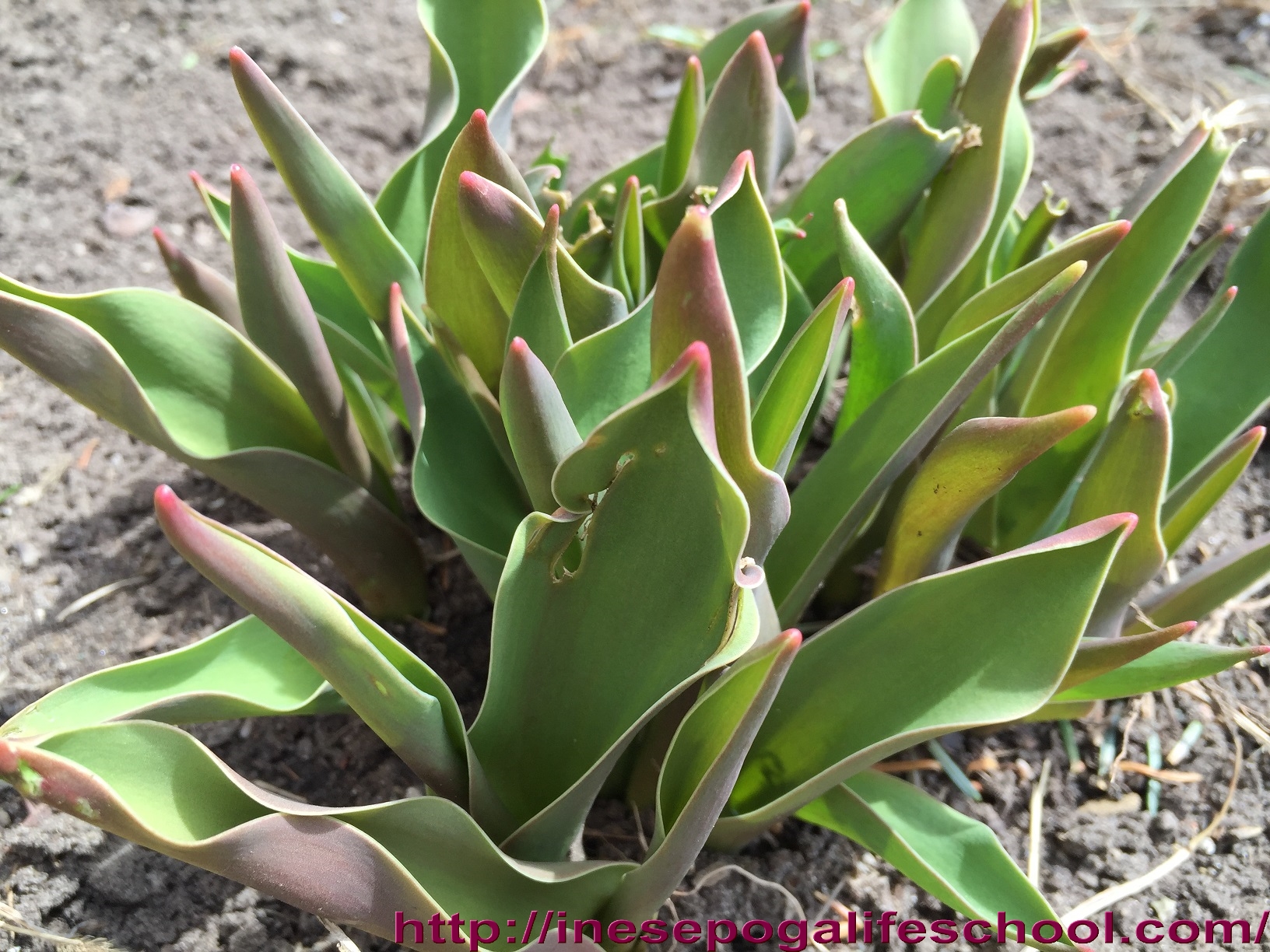
Tulips are getting ready to go, as well

All inspiration we need is right before our eyes: squirrels and chipmunks running around like crazy, birds singing, plants budding and grasses sprouting. Daffodils, bluebells, crocuses, wild anemones and tulips are up. That is a genuinely new beginning. Do not miss that.